Set sail into the world of the One Piece Card Game. The popular card trading game brings the adventures of Luffy and his crew to life through strategic battles, unique cards, and passionate gameplay. This One Piece Card Game guide will introduce you to everything you need to know to get started. After understanding card types and building your own deck, it is time to learn the basic rules.
Your first One Piece Game Explained
Before starting your first One Piece Card game you’ll need to prepare your deck. Each deck must have: a Leader card that determines which colours are allowed in your main deck, as well as your starting Life value, power and special effect. The main deck must consist of 50 cards, made up of characters, event and stage cards. All cards must match with at least one colour on your leader cards. You can’t include more than four copies of the same card with the same card number. The deck must also include ten DON!! Cards, which provide the resources needed to play cards, activate effects and increase powers. To read more about the card types, you can check out our previous One Piece Card game guide.
One Piece Card Game Guide: Mat And Card Areas
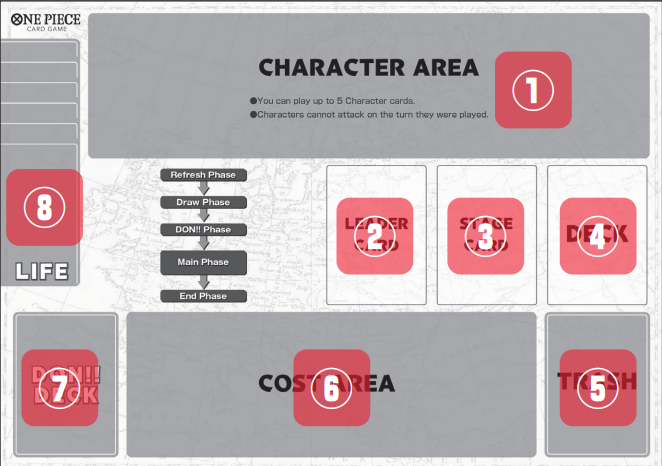
Character Area
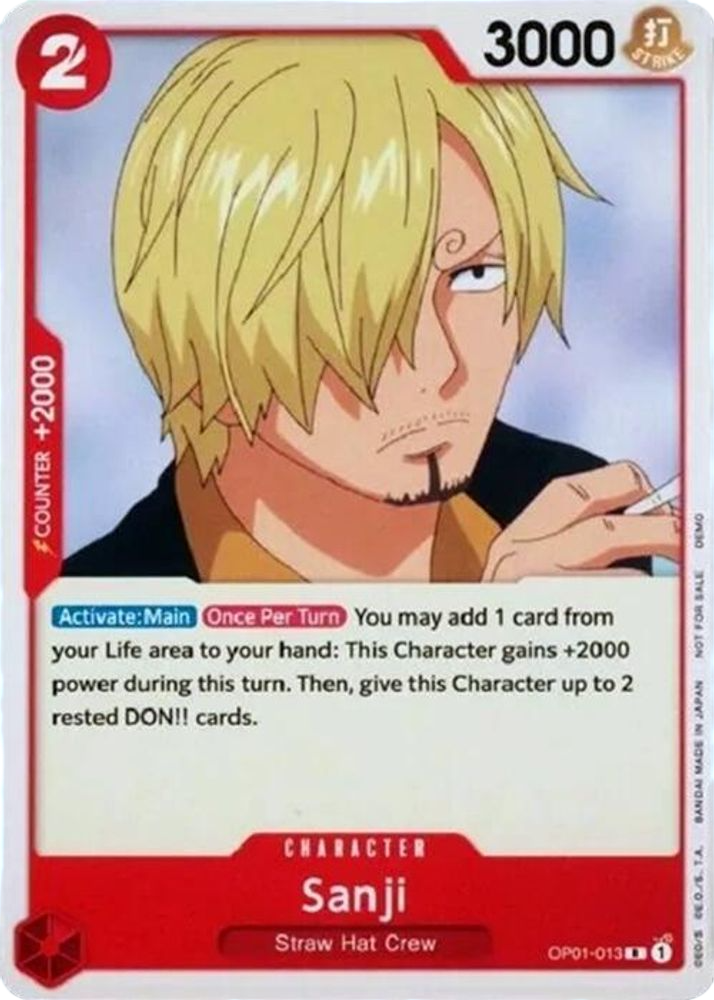
In this area you place your Character cards after playing them from your hand. To do so, you’ll need to pay the required cost. The characters in your deck will help you fight your opponent, attack their Leader card or other Character Cards. These characters can also use special effects to use as advantages during the game. In this area you can have up to five characters at a time.
Leader Card
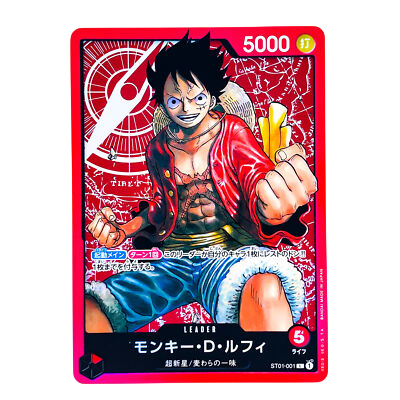
Here is where you put your Leader Card, which represents the “main character” you control throughout the game. Your Leader also determines your deck’s colour identity, has a specific power value and can attack your opponent’s Leader and other characters. This card starts the game face-up and remains in the same area the whole match.
Stage Area
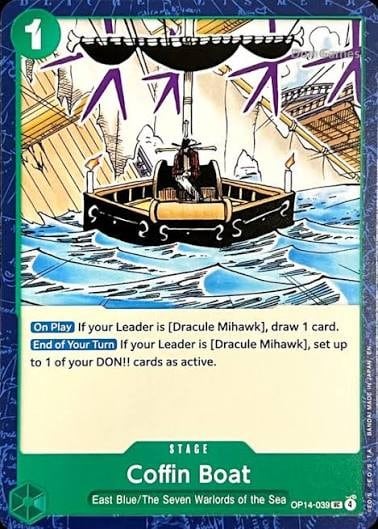
Here is where your Stage Cards will go. Representing locations or environments from the One Piece world. Stages provide special effects that can help you during the game, such as support for your characters, cost reductions, or even additional abilities. You can only have one Stage Card in this area at a time.
Deck Area
This is where your deck remains. Remember your deck must be of 50 cards, it is placed face down and remains this way throughout the game. It contains the characters, events, and stages you will use during the game. You draw cards from its top during the draw phase and through certain card effects. Your opponent cannot see the cards in your deck or their order.
Trash Area
This is a discard area where all your cards go when they are no longer in play. If a character Card gets defeated, event cards after activation and cards discarded from your hand. These cards are placed face-up so both players can see which cards are there. Some card effects may allow you to retrieve a card from here, or interact with cards in this area in some way.
Cost Area
This is where your DON!! Cards are placed after being drawn from your DON!! Deck. These cards pay the costs required to play characters, Stages and events. These cards can also be used on your Leader or Characters to increase their power during battles. When they are placed vertically, they are active, and rested when they are horizontally placed.
Don!! Deck Area
Here you will place your separate DON!! Deck consisting of ten cards. During the DON!! Phase, you draw DON!! Cards from this deck and move them to your Cost area. These cards are an essential resource because they allow you to play cards, activate effects, and strengthen your characters and Leader.
Life Area
This is where you place a number of cards face-down at the beginning of the game. The number of cards must be equal to the Life Value indicated on your Leader card. These cards represent your life for the game and can act as a barrier against your opponent’s attacks. Whenever your Leader takes damage, you take the top card from your Life area and add it to your hand. If or when your life area is empty, and your Leader takes damage, you lose the game.
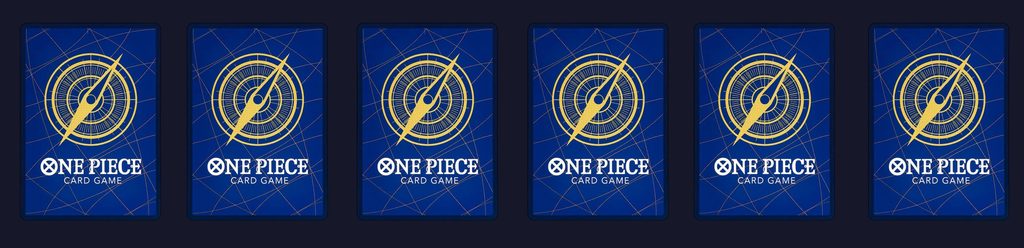
In the One Piece card game the Leader area, character area, stage area and cost area are collectively called “the field”. These, together with the trash area and Don!! deck areas are the “open areas” visible to all players.
The remaining areas; deck, hand, and life areas are considered hidden information areas for the players and opponents.
One Piece Card Game Guide: Turn Phases, Actions And Order
To set up a game of One Piece cards, first, shuffle your deck and place it in the Deck Area. Place your Leader Card on the Leader area face-up. To decide who goes first in a One Piece Card Game, the rules dictate to decide it ith Rock-Paper-Scissors. The inner chooses whether to go first or second. Then draw five cards from your deck. Each player may choose to return all of those cards to their deck and draw 5 new ones. This can only be done once.
Next, draw cards equal to your Leader’s Life Value from the top of your deck, one at a time. Place these cards face-down on your life area without looking at their contents. The player going first starts their turn. It is finally time to enter the One Piece Card Game Guide!
Refresh Phase
Between rounds, set all your rested cards as active and return all DON!! Cards attached to cards to your cost area in an active state. Any DON!! Cards attached to your Leader or Characters are also returned to your Cost area in the active position. This refreshes your cards so they can be used again during your turn.
Draw Phase
During the draw phase, you draw one card from your deck and add it to your hand. This gives you another card to use during your turn. You can keep as many cards in your hand as you want. You do not have to discard any cards at the end of your turn, regardless of how many cards you are holding.
DON!! Phase
During this phase draw two cards for your DON!! Deck and place them in your Cost Area in an active position. These cards are your main resource for playing Characters and Stages. You can also activate events and pay for certain card effects.
The first player only receives one DON!! Card during their first turn.
Main Phase
During this phase you can play character cards from your hand by paying their DON!! Cost, placing them in your Character area. You can also play Stage cards, activate Event cards by paying their costs, and use the effects of your Leader, Characters and Stages. You can also attack an active DON!! Card from your Cost Area to your Leaders or Characters.
Battling also occurs during this phase, during which you can attack using your Leader card or any Character active on your field.
Once an attack is declared, the battle evolves as follows:
- Attack declaration: The attacker rests their leader or Characters and declares an attack against the opponent’s Leader or rested Character.Any effects that activate when attacking are resolved now.
- Block step: The defending player may activate a block effect if they have a character with said ability.
- Counter Step: The defending player can use Counter cards from their hand or activate Counter Event cards to increase the defending Leader’s or Character’s power.
- Damage Step: The attacking and defending cards’ values are compared. If the attacker’s power is equal or higher than the defender’s value, the attack succeeds. If the target is the opponent’s Leader, they take one damage and must add the top card of their Life area to their hand. Unless its trigger effect is activated instead. If the target is a Character Card, and that character is defeated, the card is sent to the Trash area. If the attacker’s power is lower, the attack fails and nothing happens.
- End of battle: Any effects that activate at the end of the battle are resolved, and temporary effects that only last for that battle are removed.
The players can repeat the procedure during the main phase until they decide they are finished with their turn. Either player can attach during their first turn.
End Phase
After the main phase the players declare the end of their turn. Here is where the End Phase begins. Firstly, effects belonging to the player whose turn is ending that activate at the end of the turn are resolved. The opponent’s effects that activate at the end of the turn are resolved.
After that, the effects that only last until the end of the turn are removed. Once everything has been resolved, your turn ends and your opponent begins their turn with their Refresh Phase.
How to win at One Piece Card Game
Your main objective to win at One Piece Card Game is to defeat your opponent’s Leader. In order to do so you can attack directly to your opponent’s Leader when they have no Life cards remaining. If the attack succeeds, you win the game.
You can also win if your opponent runs out of cards in their main deck and cannot draw another card. The game continues through alternating turns until one of these victory conditions is met.
Ready to find other gamers to battle? Dive into our gamer community to challenge new opponents, share strategies, and take your card game skills to the next level.
Game on!
- One Piece Card Game Guide: Learn to Play from Scratch
- 5 Silly Multiplayer Games For Your Newly Formed Gamers Group
- Is GTA 6 Eligible for Game of the Year 2026?

- Best Star Trek TNG Board Games and Where to find Them
- The White Castle Board Game: Three Keys To Win
- One Piece Card Game: Card Types And Building A Deck