Board games are much more than a source of entertainment. They create opportunities for children to develop important cognitive, social skills and healthy competition. Whether it is working as a team, fast-paced games or strategic adventures, children are constantly practising essential skills such as critical thinking, problem-solving, communication, or decision-making.
At the same time, board games provide a fun, low-pressure environment where making mistakes becomes part of the learning process. This is our parent’s guide to board games and the essential skills these help build.
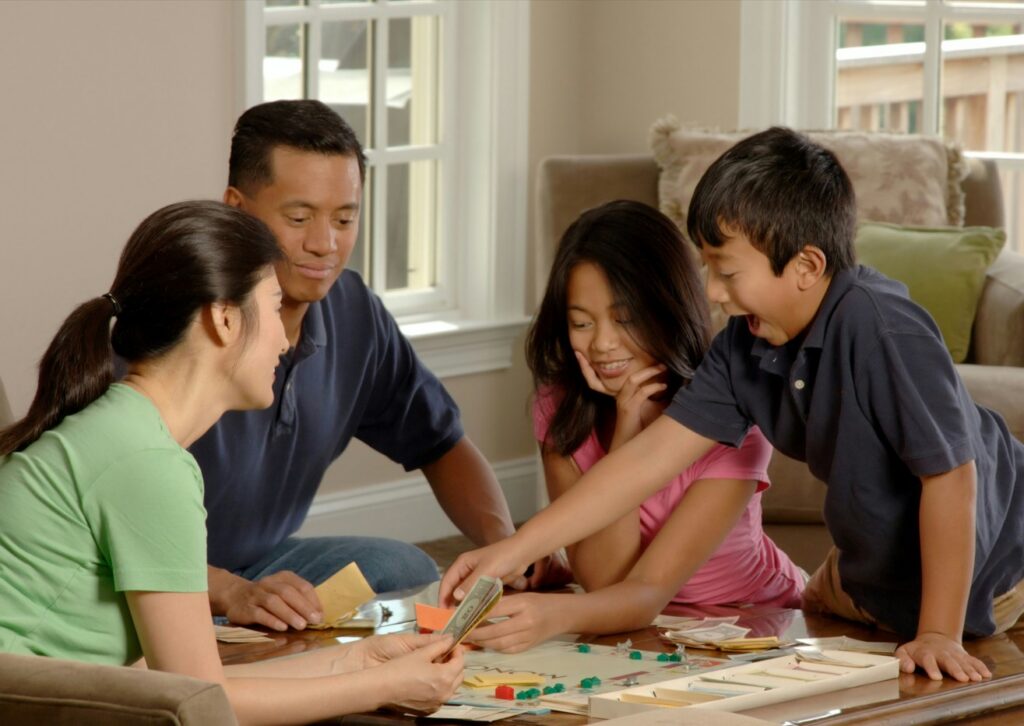
Simple Rules, Fast-Paced Games: A Parent’s Guide
Games that can be learnt in just a few minutes while offering engaging challenges that keep children and adults coming back for more. This part of the parent’s guide highlights easy-to-learn, fast-paced games that are perfect for family game nights.
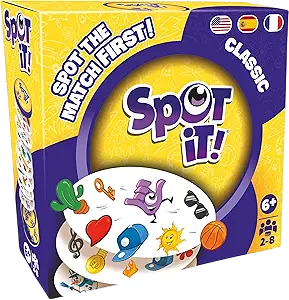
Spot it!
👤Players: 2-8
🕑Duration: 15 min
⚔️Competitive
Ideal for ages 4-7
Spot It!, also known as Dobble in the European Market, is a fast-paced recognition game in which players race to identify the single matching symbol shared by any two cards. The first player to identify the matching symbols claims the card. Then the play continues revealing new cards until the deck is exhausted. At the end of the game, the player who has collected the most cards wins.
- Fast-paced play sparks competitiveness and replayability. Quick rounds will keep children engaged and eager to play again.
- This game promoted memory and pattern recognition. Repeated exposure to symbols helps children recognise visual patterns more efficiently.
- It strengthens hand-eye coordination.
- Builds confidence through repeated simple mechanics.
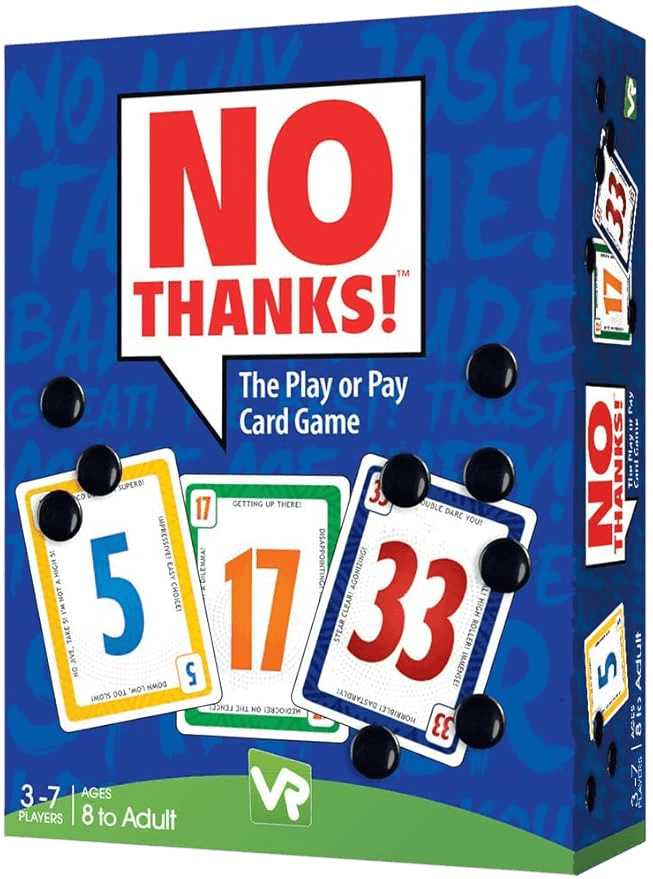
No Thanks!
👤Players: 3-7
🕑Duration: 20 min
⚔️Competitive
Ideal for ages 8+
No Thanks! Is a simple yet strategic game in which players compete to finish with the lowest score. The deck consists of numbered cards from 5 to 35. On each turn, the player has to decide either to take the face-up card or spend one of their limited chips to pass it to the next player. When a player takes a card, they also take all the chips that that card has accumulated.
- Develops strategic thinking, as players must decide whether to take a card or spend valuable chips.
- Encourages forward planning and risk assesement.
- Teaches resource management and how to manage limited chips during play.
- It is highly interactive and promotes healthy competition.
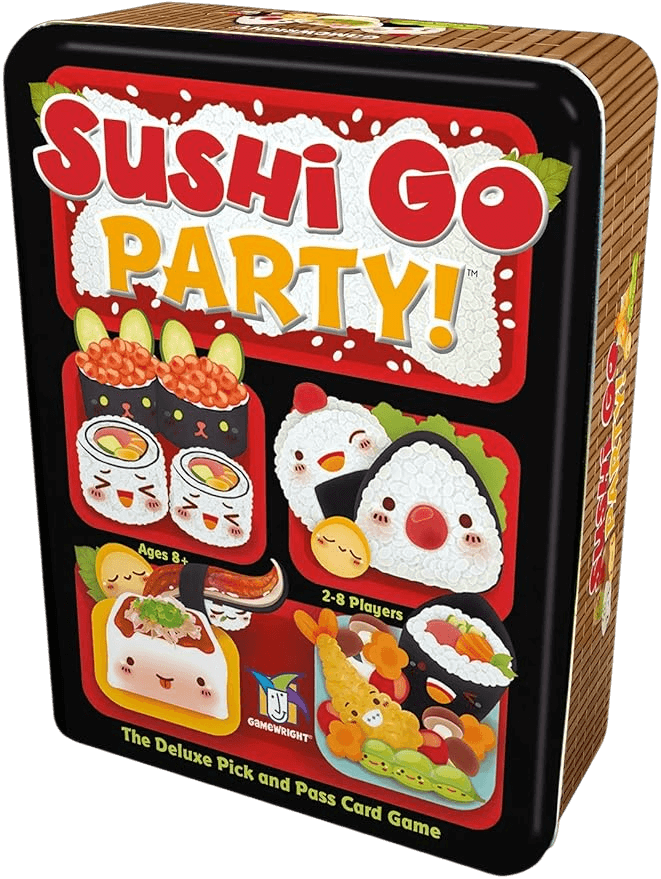
Sushi Go!
👤Players: 2-5
🕑Duration: 15 min
⚔️Competitive
Ideal for ages 8+
Sushi Go! Is a drafting card game in which players compete to create the highest-scoring meal by collecting combinations for sushi dishes. Each player begins with a hand of cards, chooses one card to keep, and passes the rest.Different sushi dishes score in different ways, encouraging players to play strategically. At the end of each round points are counted in and then play continues over multiple rounds.
- Easy to learn and understand. Children can begin playing with minimal guidance.
- Improves pattern recognition, as players identify valuable card combinations.
- Builds memory and attention. Keeping track of passed cards and opponent’s collections helps improve concentration and recall.
- Develops basic arithmetic skills. It reinforces counting, addition and comparison.
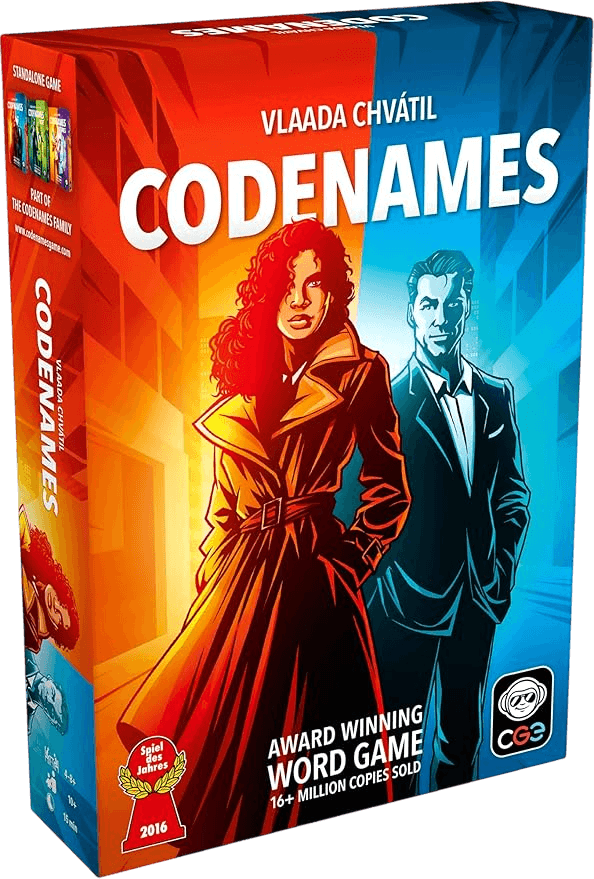
Codenames
👤Players: 2-8
🕑Duration: 15 min
⚔️Competitive
Ideal for ages 8+
Codenames is a communication-based party game in which two teams compete to identify all of their team’s secret code words before the opposing team. 25 word cards are arranged in a 5×5 grid. Each word belongs to either the red team , the blue team, neutral bystanders, or the assassin card. Only the team leaders known as spymasters can see the hidden key that reveals the identity of each word.
- A great game to expand and exercise vocabulary.
- Develops communication skills and creative thinking, as players need to make unique connections between words and think beyond literal meaning.
- Improves memory and attention. Players need to memorise previous clues while monitoring the remaining words.
- Builds listening skills. Children must consider clues and teammates’ ideas before making guesses.
Resource Management and Decision Making Games: A Parent’s Guide
This second list in our parent’s guide introduces family-friendly resource management games that balance fun with meaningful learning, making them an excellent choice for children who enjoy planning, strategy, and creative thinking.
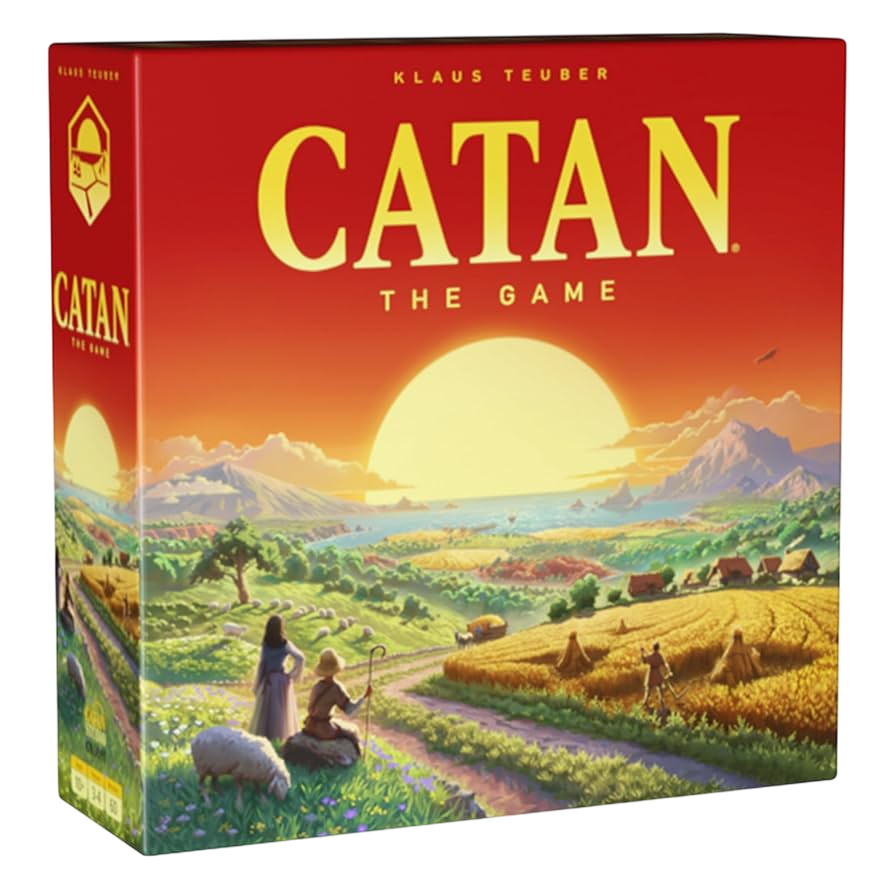
Catan
👤Players: 3-4
🕑Duration: 120 min
⚔️Competitive
Ideal for ages 7+
CATAN is a strategic board game in which players compete to become the dominant force on the island of CATAN by building roads, settlements and cities. Players collect resources and use them to expand their networks, purchase development cards, and earn victory points. The first player to reach 10 victory points wins.
- Develops strategic thinking, children learn to plan ahead and make decisions to support long-term strategy.
- Strengthens resource-management skills. Players must balance limited resources and decide how to use them.
- Promotes planning and develops negotiation skills.
- Improves mathematical reasoning, tracking points, counting resources and comparing probabilities
Splendor

👤Players: 2-4
🕑Duration: 30 min
⚔️Competitive
Ideal for ages 10+
Splendor is a strategic engine-building board game in which players take the role of Renaissance merchants competing to earn the most prestige. Plasters choose to collect gem chips, purchase development cards, or reserve a card for future purchase. The first player to reach 15 points of prestige wins.
- Encourages forward thinking and learns to balance short-term actions with long-term goals.
- Enhances problem-solving abilities. Players must adapt their strategies as available cards and opponents’ actions change.
- Encourages observation of the opponent’s progress and adjust their plans to remain competitive.
- Promotes healthy competition.
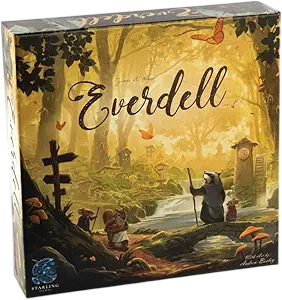
Everdell
👤Players: 1-4
🕑Duration: 80 min
⚔️Competitive
Ideal for ages 10+
Everdell is a game that combines worker placement and engine building as players lead a community of forest creatures in developing a thriving woodland city. Players will gather resources, construct buildings, recruit unique critters, and play cards that expand their city and unlock new abilities.
- Strengthens resource management skills and enhances problem-solving abilities.
- Promotes critical thinking to evaluate card combinations and optimize their city for maximum points.
- Builds mathematical skills, reinforcing counting, comparison and planning.
- Enhances reading and comprehension, as card abilities encourage children to read, interpret ans apply different effects.
Deduction Focused Games : A Parent’s Guide
This parent’s guide explores deduction games that make reasoning and teamwork both fun and rewarding. Board games that help children build essential cognitive skills through play.
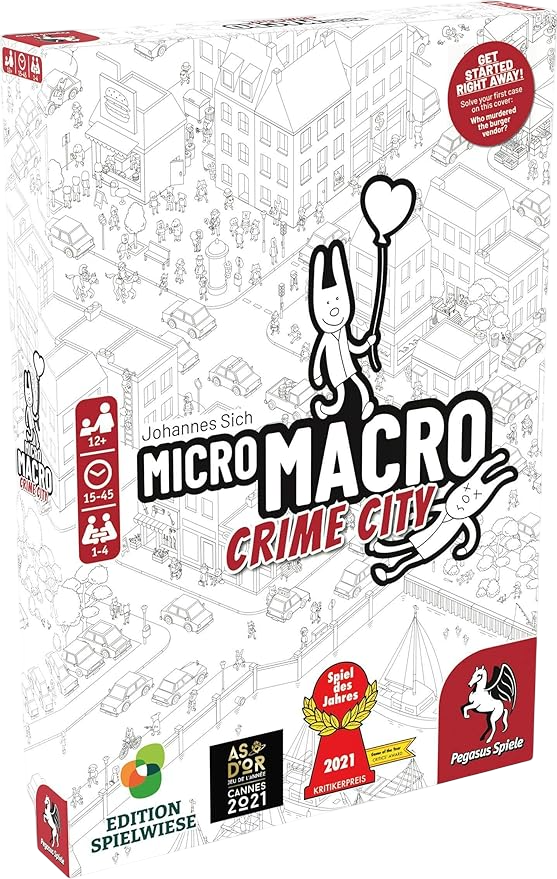
MicroMacro: Crime City
👤Players:
🕑Duration:
🤝Cooperative
Ideal for ages 8+
MicroMacro: Crime City is a cooperative deduction game in which players work together to solve a series of criminal cases using a large, detailed city map. The map allows players to trace the movements of characters, uncover clues and reconstruct events by carefully examining different locations and connecting pieces of information.
- Develops observation skills, players must examine detailed illustrations to find important clues.
- Improves attention to detail. As success depends on noticing small visual clue.
- Promotes teamwork and communication.
- Cooperative gameplay encourages positive interaction ans shared problem-solving.
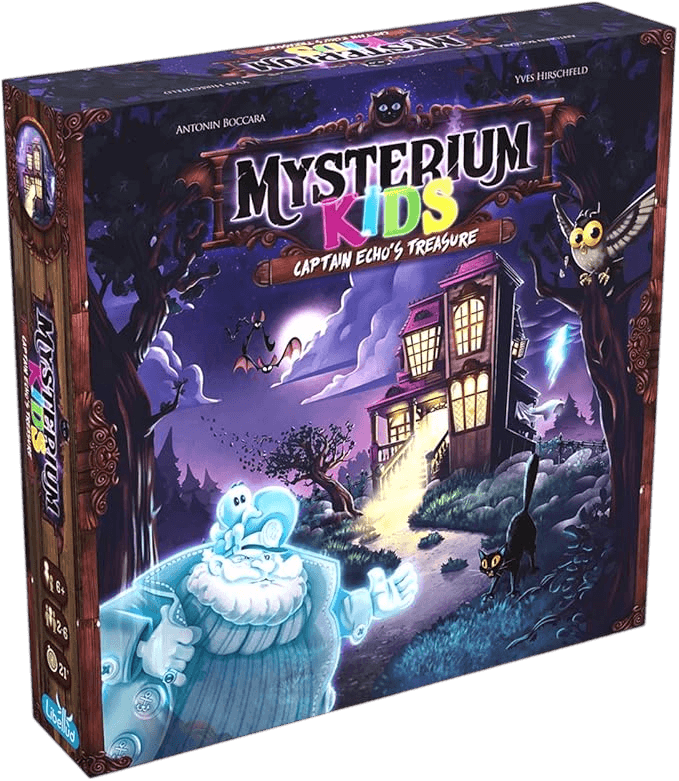
Mysterium Kids: Captain Echo’s Treasure
👤Players: 2-6
🕑Duration: 20 min
🤝Cooperative
Ideal for ages 6+
Mysterium Kids:Captain Echo’s Treasure is a cooperative deduction game in which players work together to uncover Captain Echo’s hidden treasure before the night ends. One player takes the role of Captain Echo’s ghost and gives clues using a tambourine instead of speaking. The other players listen carefully to the rhythm and sounds, then work together to identify the correct location or Noise Card.
- Develops listening skills and strengthens communication skills.
- Promotes teamwork and cooperation. Players work together toward a shared objective rather than competing.
- Improves concentration and attention, and develops memory.
- Supports social development, encourages turn-taking, sharing ideas, and respectful interaction.
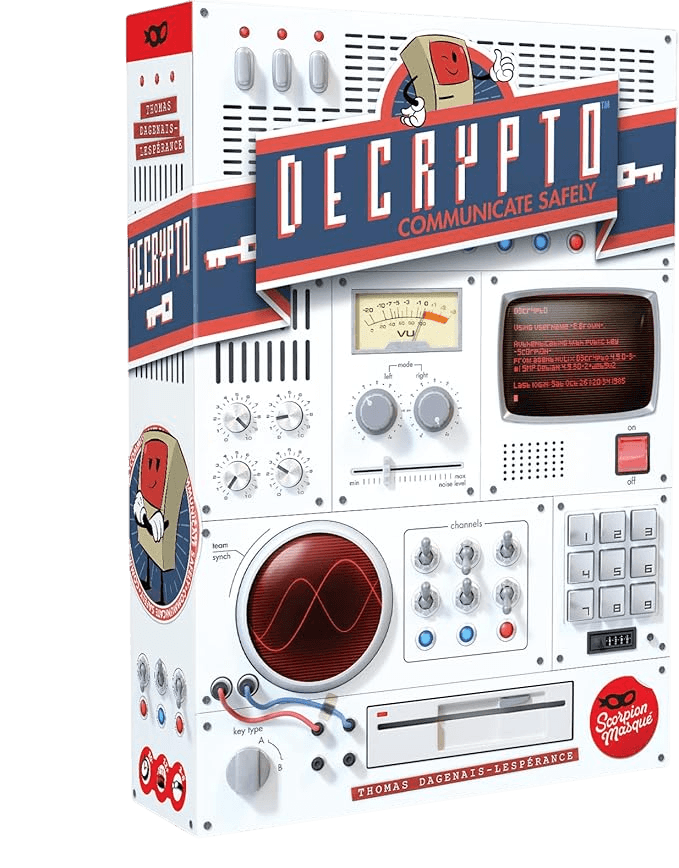
Decrypto
👤Players: 3-8
🕑Duration: 45 min
⚔️Competitive
Ideal for ages 10+
Decrypto is a team-based deduction board game in which players compete to communicate secret codes while preventing the opposing team from deciphering them. Each team has four hidden keyword cards that are only known to their teammates. One player gives clues related to these keywords to help their team identify a numbered code in the correct order.
- Expands Vocabulary, as players are exposed to a wide variety of words and associations.
- Builds strategic thinking. Players must balance helping teammates while avoiding giving useful information to opponents.
- Encourages creative thinking and enhances memory.
- Promotes healthy competition.
Create Lasting Memories Through Play
Board games offer a unique way to combine fun, learning, and quality time. Board games can help children develop skills such as critical thinking, teamwork, and also healthy competition. Playing together creates opportunities for conversation, cooperation and shared experiences that help children feel connected and supported. Whether it is a quick card game or a longer deduction or strategy game, family games time can develop trust and open communication.
Join us and find fellow gamers and share your experiences and favourite games.
Game on!