
Keeping the brain active and engaged is one of the best ways to slow cognitive aging and boost longevity. Sure you’ve heard the famous misconception that board games and video games are diversions. Fun, interactive and even addictive, but never portrayed as a healthy tool to slow aging.
Benefits of games and play go beyond slowing cognitive aging. The decrease of stress levels, less isolation and multitasking are associated with a longer life expectancy. Board games and video games may be two of the most enjoyable longevity tools humans have.
How gamers are increasing their brain’s longevity
Let’s start with the brain. Puzzles, levels, strategies and mechanics give the brain a true workout. Separating the play from just an entertaining tool. Video games, in particular, are known to improve reaction skills and spatial reasoning, while board games specially train memory, attention and problem-solving.
Neuroplasticity
Neuroplasticity is the brain’s ability to adapt, reorganise and strengthen neural pathways. It is essential to longevity and thrives in novelty and challenge. Board games and video games take this challenge and push players to anticipate outcomes, strategise and juggle information. Every time a player re-thinks a strategy or adjusts to an opponent’s unexpected move, their brain rewires to a more efficient and flexible strategy.
Board games like:
Azul

- A pattern-drafting game that strengthens visual processing and memory.
- Pushes players to short-term strategies with long- term consequences.
- The game balances competitive strategies and a calm play that supports emotional control.
Video games, in particular, enhance attention and offer challenging scenarios where fast-faced reactions are required for a constant adaptation. Whether it is navigating new worlds, wargames, or solving puzzles under pressure, video games offer a dynamic mental workout.
Video games like:
Portal 2

- Challenges players to think and manipulate a three-dimensional space, gravity and perspective.
- Each level introduces new mechanics and these require gamers to adapt and shift between tasks and perspectives.
- Players must remember where the portals are, engaging working memory and improving pattern recognition.
Delaying the cognitive decline
As people age, the brain changes, process speed slows, memory capacity and cognitive flexibility reduces. However, mentally stimulating activities, like playing board games and video games can act as a preventive tool. These games challenge the mind through strategy, mechanics and adaptability.
A research conducted by the University of Edinburgh, titled Games can protect thinking skills in older age, showed that people who play board games and card games are more likely to stay mentally sharp in later life. These people were found to have experienced less decline in thinking skills in their seventies.
Board games like:
Dixit
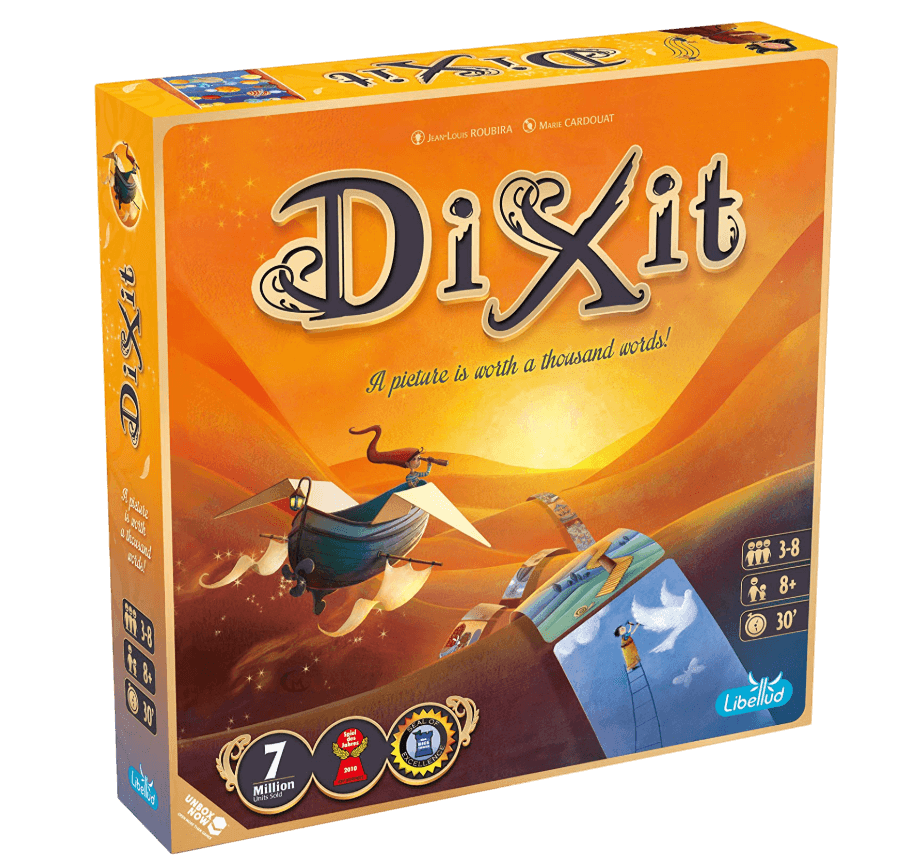
- Stimulates abstract thinking and imagination.
- Promotes players to communicate through storytelling.
- Promotes social interaction between players while keeping attention and memory.
On the other hand, video games introduce unique forms of mental and cognitive exercises through a digital and interactive scene. A study titled Enhanced functional connectivity and increased gray matter volume of insula related to action video game playing, studied the relation between action video games experience with the plasticity of insular subregions and the functional networks of the brain. These researchers found that action video game experts had enhanced functional connectivity and grey matter volume growth in insular subregions of the brain.
Video games like:
Overwatch

- A multiplayer action game that requires real-time strategy and rapid reaction.
- Overwatch requires multitasking and decision making under pressure.
- Teams have to coordinate and communicate in real time.
Multitasking
Refers to the brain’s ability to manage and switch between tasks or streams of information. This capacity helps exercise a working memory, cognitive flexibility and concentration. In everyday life, this multitasking ability allows us a better handling of daily responsibilities and work tasks.
Both Board games and videogames exercise these mental ‘muscles’ pushing the brain to handle complex switches between task, problem-solving and perspective. An exercised multitasking ability promotes brain longevity.
Board games like:
7 wonders
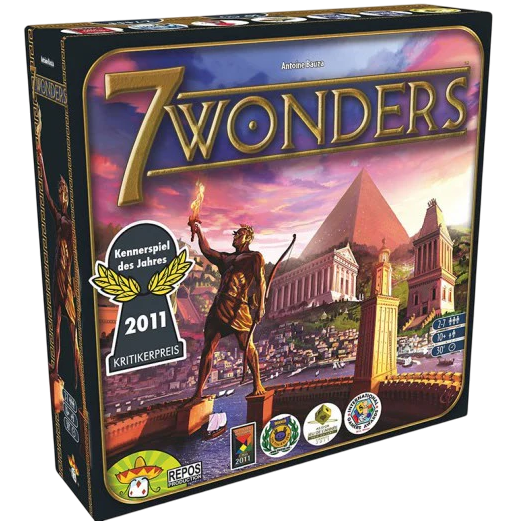
- Players must, simultaneously, build their city, monitor their neighbors and plan military strategies.
- Players must collect various resources during each turn.
- Limited time during turns and simultaneous play encourage quick thinking.
And video games like:
Call of duty

- Players juggle, tracking enemies, navigating environments and managing weapons.
- Requires fast option evaluations and execution of strategies.
- Hand-eye coordination and spatial awareness are a must and boost motor control and coordination.
Gamer’s social interaction slows aging
Gaming creates and improves social interaction. Whether it is in person or in an online multiplayer situation, social interaction can play a vital role in promoting health and longevity. A study conducted by Rush University Medical Center, titled Being social may delay dementia onset for five years, stated that social activity can strengthen neural circuits in the brain, making them more resistant to the buildup of pathology that occurs with age.
Social interaction
Gaming can stimulate the brain’s dopamine system, responsible for the sensation of reward, motivation and pleasure. This regulated dopamine level helps maintain balance and flexibility, countering stress-related reactions that contribute to aging.
Playing video games and board games with other people offers a safe space for laughter and emotional connection. The emotional reward derived from teamwork and shared success strengthens social bonds and gives the players a sense of belonging.
Games combat social isolation
As we discussed in one of our previous articles about how wargamer clubs can improve mental health, games and social interaction through games, reduce social isolation. The combination of cognitive stimulation and social connectedness creates a protective ambiance around the player group that contributes to longevity.
Gaming is an essential tool lor longevity
As more studies continue to unravel the connection between gaming and a longer barin longevity. More and more players of all ages join a video game or a board game everyday. Both board games and video games engage critical cognitive functions and train the brain’s resilience to aging.
Keep playing, keep getting together with your friends and playing board games that fill your game nights with laughter and excitement. Keep going online to your multiplayer team and adventure new worlds and scenarios. Find your ideal players, make new friends and experience new games.
Because it is not just for the fun of it, you are improving your longevity.
Game on!