Worldbuilding Theory: The Second Pillar of Fantasy Storytelling

Where To Play
Find gamers to play Worldbuilding Theory: The Second Pillar of Fantasy Storytelling and make friends!


Matches

No matches
RPG Games Events
FlatCon 25th Anniversary
Alaska RPG Con 2026
ArneCon 4
Pig Faced Ork Con 2026
Game Details


Go World Ranking
Game Info
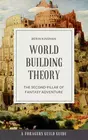
From publisher blurb: Any System! Any Setting! Worldbuilding is the Second Pillar of Fantasy Storytelling Worldbuilding is essential to a good fantasy adventure. It creates the context for the characters and the stories that they’re involved in. The information necessary to understand the motivations of the villains, the goals of the story, and what’s at stake if the protagonists fail, are all tied up on the setting elements that have been established and explained. Without the worldbuilding, your setting might as well be any other setting. In a roleplaying game, it means you end up with very generic kill monster-get treasure dynamics. A valid style of play, if you’re into that, but it’s also a ton of wasted creative potential. Too often, though, we lose sight of why we’re creating an imaginary world. We look at Tolkien, who started off by creating complete languages. Only a fraction of that made it into his books and stories. M.A.R. Barker started working on the world of Tékumel during childhood, before anyone had even conceived or roleplaying games. He didn’t publish any of his Empire of the Petal Throne material until he was in his 40s, and didn’t write his novels in the setting until he was in his 50s. Roleplaying games publish gazetteers filled with complex histories of their fantasy worlds, with amazing levels of detail. It’s almost standard operating procedure for fantasy novels to have a map of the world contained within the book, whether the map is relevant to the story or not. It’s a daunting amount of work. It’s also not necessary. There are already a ton of books on fantasy worldbuilding available. I wrote Worldbuilding Theory in order to take a different approach. Rather than dig into all of the fiddle bits, this volume takes a practical approach. We’ll delve into what I consider the Three Essential Elements of Worldbuilding — genre, time and place, and tone. The interdependence of setting with characters and stories, the other two pillars of fantasy adventure, will be discussed at length. By the end, you should have a clearer understanding not only of what you’re creating, but why you’re creating it. Then you can target your efforts and save yourself prep time by concentrating on the elements you’ll need.
Random Games
Conflict Busters
High Seas: The Card Game

The Source
Serpent (TRS-80)
Defend (1981)

Sky Sweep
Outhouse
Space Rocks

Frenzy (TRS-80)