
With the holidays approaching, there’s no doubt that board games are among the best 一if not the perfect一 gifts to give. There’s truly something for every age, interest, and level of experience, making them a versatile and thoughtful option for just about anyone.
To choose the ideal board game to gift, it helps to understand the different types of game mechanics involved. Some games rely heavily on luck, while others are more strategic, competitive, or complex. Knowing the style they enjoy will make it much easier to find a game they’ll genuinely love.
Board Games Mechanics: What They Are and How to Identify Them
As you may already know a board game mechanic is a fundamental rule or system that dictates how players interact with the game. It shapes the structure and actions permitted during the game. How decisions are made, how the game progresses from start to finish.
Understanding a board game mechanic or mechanics are essential because they determine the overall experience.
Board Game mechanics can create tension and strategy, while others rely on luck, cooperation and the social interaction external to the game’s tangible elements. By recognising these core mechanics, players can predict whether it will match their preferences and playstyle.
Monomechanical Board Games
Monomechanical Board Games are games that develop around a single mechanic. A dominant mechanic that drives the entire gameplay experience. Instead of combining multiple systems, these games rely on one core rule set to create challenge and tension, where the players can only move one way or take certain decisions. This simplicity often makes these games easy to teach, fast to play and highly accessible for beginners or casual groups.
A perfect example of Monomechanical board games are party games like Jenga, Go Fish or Snakes & Ladders. Even Uno at its core can be considered a monomechanical board game-
Multimechanical Board Games
These games, different to the monomechanical games, are board games that combine two or more distinct mechanics to create a richer, more layered gameplay experience. This combination of rules, possibilities and decision-making allows a deeper strategy and a greater replayability of the game, as players can approach challenges from different angles.
These games are especially common in modern board game design, where complexity and synergy between mechanics are part of their appeal.
Some Multimechanical board games are Terra Mystica, which combines area control, engine building and hand management; or Lords of Waterdeep with worker placement, set collection and contract fulfillment mechanics.
Types of Board Game Mechanics
Each type of Game Board Mechanic creates a unique gaming experience. Exploring the types of board game mechanics can help the players choose the right game for any occasion and better appreciate the game.
Here’s a list of common board game mechanics that can help you understand the type of gameplay each game offers :
Worker placement
This is a board game mechanic in which the players have a limited number of “workers”, these could be characters, minions or soldiers, represented by meeples or tokens. These “workers” are both resources and task makers. Positioned onto specific spaces on the board to take actions, this planning rewards timing, planning and anticipating other’s player’s actions.
A game with a worker placement mechanic is:
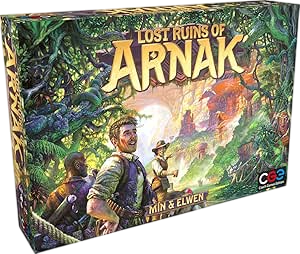
Lost Ruins of Arnak
👤Players: 1-4
🕑Duration: 30-120 min
⚔️Competitive
Lost ruins of Arnak is an exploration and expedition game in which the players use archaeologist tokens to claim locations and perform tasks and compete for spots. This game also adds deck building, as the players need to gather resources, overcome guardians and uncover ancient secrets.
Deck-building
Deck- building is a board game mechanic in which players start with a small, basic set of cards and gradually acquire new cards to improve their deck over the course of the game. As the deck grows, players access more powerful actions, resources or new opportunities. This allows a deeper strategy, more combinations and optimized turns.
The core tension of this mechanic comes from deciding which cards to add, which to remove and how to organise actions.
A game with a worker placement mechanic will be:
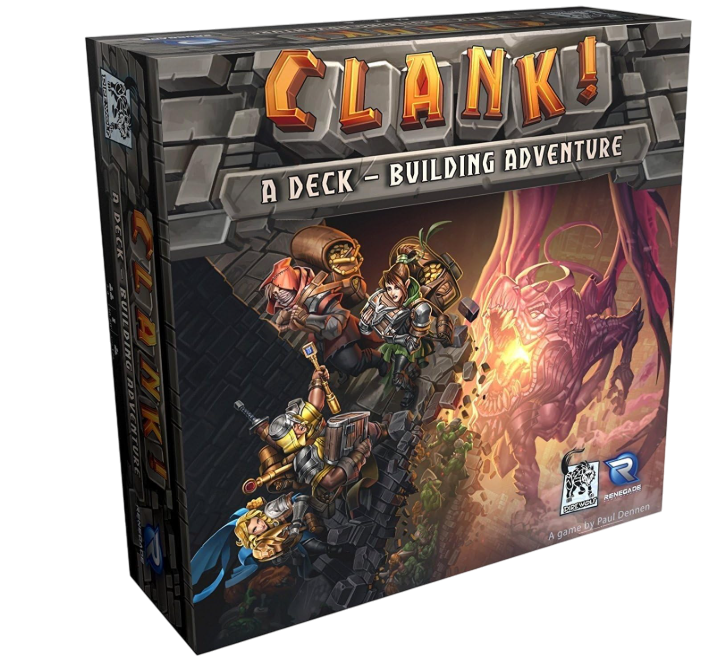
Clank!
👤Players: 1-4
🕑Duration: 30-60 min
⚔️Competitive
A dungeon exploring game where players begin with a small set of basic cards and acquire new ones every turn. By buying more powerful cards to shape their own unique actions as they sneak through the dungeon’s caves and rooms, gather artifacts and generate noise that may attract the dragon.
Drafting
Drafting is a board game mechanic in which players select cards, tiles or other game elements from a limited pool. The goal is to make the best choices for the players strategy while anticipating what the opponents might take. Drafting, much more like deck building, creates strategic planning and adds tension to the mix. As a decision can affect not only the player’s own position, but the opponents’ too.
An example of Drafting mechanic can be:
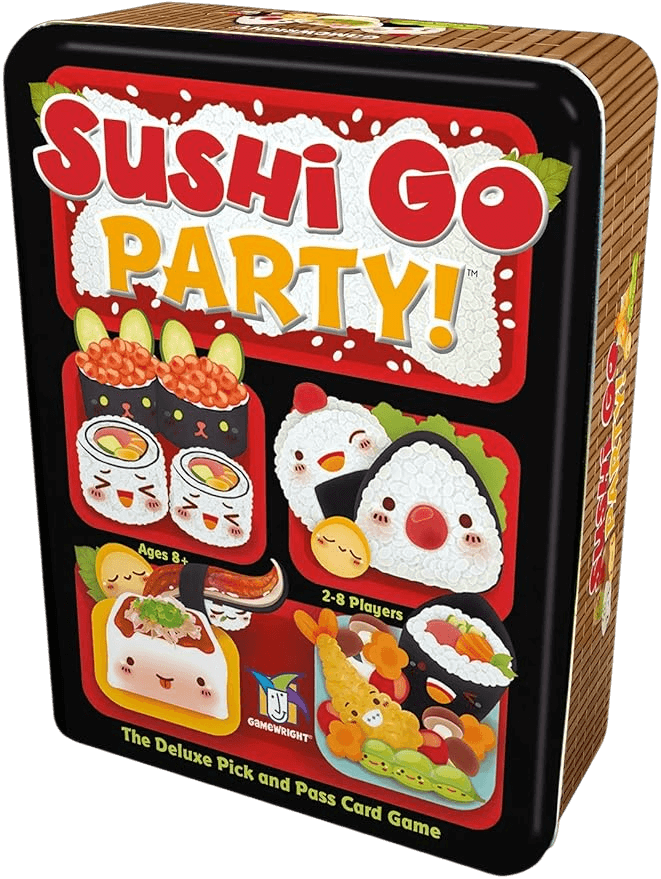
Sushi Go! Party
👤Players: 2-8
🕑Duration: 20-30 min
⚔️Competitive
Sushi Go! Party is a fast paced set building game in which players choose a card to keep from their hand and pass the rest to the next player. This creates a rotating menu of choices as every player builds their perfect suchi combinations.
Area Control / Tile Control
This game mechanic consists in players taking control of specific areas of the board or placing tiles strategically to gain points, resources or influence. The core idea is that controlling more territory gives advantages over opponents, often creating tension, conflict and strategic planning. This mechanic rewards forward-thinking and blocking opponents.
An example of this game mechanic is:
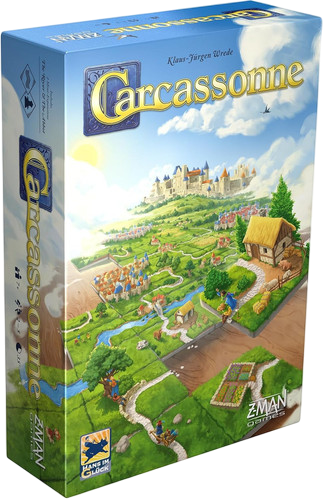
Carcassonne
👤Players: 2-5
🕑Duration: 30-45 min
⚔️Competitive
In Carcassonne players strategize to expand a shared landscape by building cities, roads and fields. Placing their opponents to contest control of those growing areas as the map develops.
Resource Management
Resource management is a board game mechanic in which the players collect, distribute and spend limited resources, such as materials,energy or gold, to achieve their goals The challenge lies in making efficient decisions to maximise the benefit of every action while staying ahead of opponents. This mechanic encourages planning, prioritisation and strategic thinking.
En example if this mechanic is:
Terraforming Mars
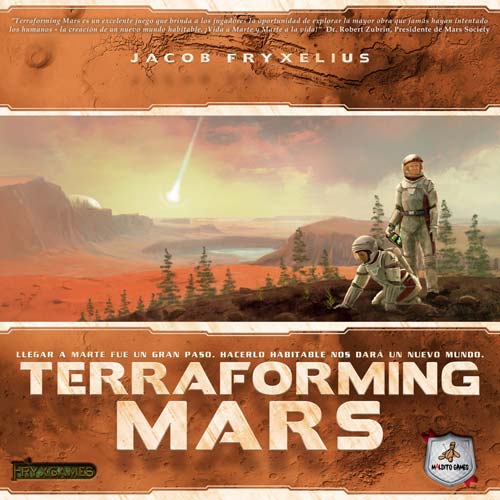
👤Player: 1-5
🕑Duration: 90-120 min
⚔️Competitive
A Strategic game where players corporations that generate heat, plants, energy, money, and other assets, carefully balancing and converting these resources to raise global parameters and build projects that shape the planet.
Hand Management
This is a board game mechanic where players draw a set of cards and they must carefully choose how and when to play them. The challenge is deciding the optimal timing and order of cards to maximise benefits, block opponents or trigger combos. An effective strategy for hand management requires planning, foresight and adaptability.
A game with a Hand management mechanic is:
7 Wonders
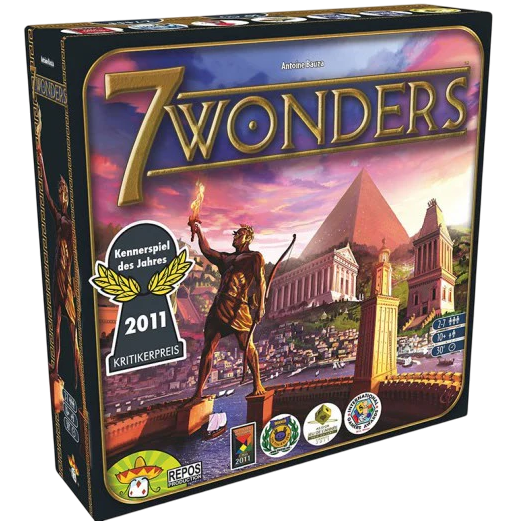
👤Player: 2-7
🕑Duration: 30-45 min
⚔️Competitive
In 7 Wonders, players must simultaneously select cards and make smart choices from the cards in their hand each round before passing the remaining cards to their neighbors as their civilization develops. With these cards, players can balance their military power, invest in science, commerce and monument construction.
Engine Building
A board game mechanic where players create systems or “engines” that generate increasingly powerful and complex effects, resources or points over time. The goal in this type of games is to optimise these engines so that each turn becomes more efficient or effective than the last. Engine-building rewards planning and strategic sequencing.
A game with a worker placement mechanic will be:
Wingspan
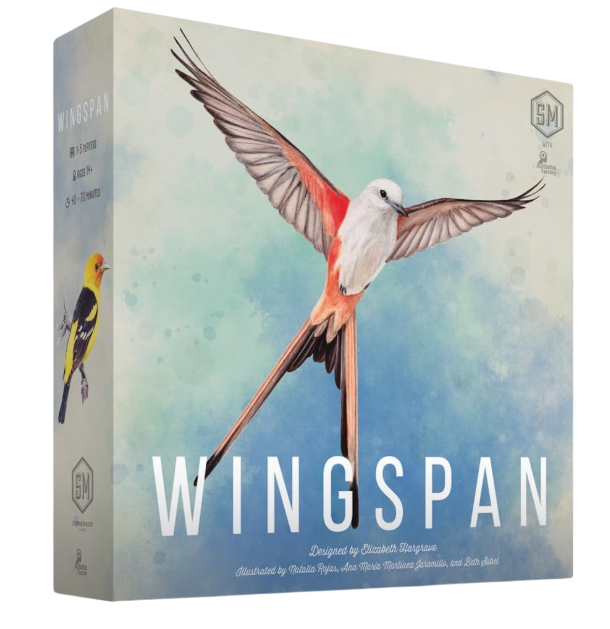
👤Player: 1-5
🕑Duration: 40-70 min
⚔️Competitive
A card-driven strategy game in which players attract birds to their habitats and build chains of abilities that trigger in sequence to generate food, lay eggs, and draw more cards as their wildlife preserve becomes increasingly efficient and bigger.
Dice rolling
A board game mechanic in which outcomes are determined 一 or partly determined一 by rolling dice. This introduces the luck element, uncertainty and excitement, that requires the players to manage risk and plan strategies in short term bases and exercise their adaptability. Dice are used for movement, combat, resource generation or resolving events.
An example of this game mechanic is:
CATAN
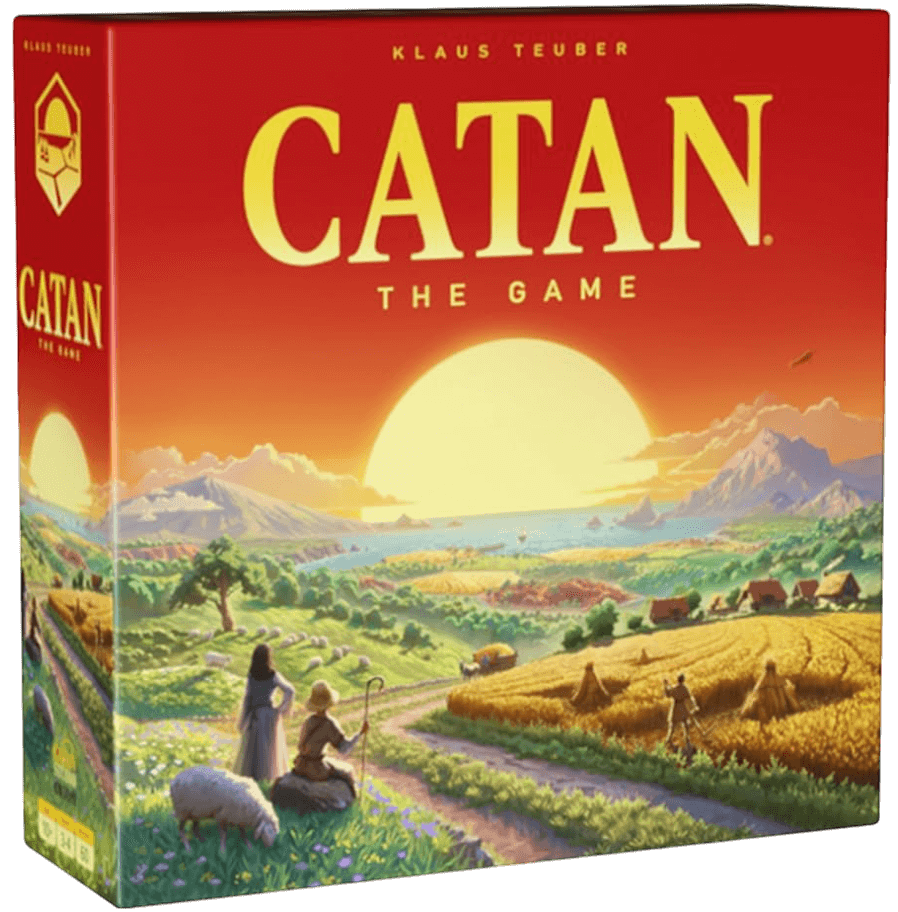
👤Player: 1-5
🕑Duration: 40-70 min
⚔️Competitive
Catan is a multimechanic board game where players roll dice to determine actions or outcomes. The dice determine the resources, the advance on the board and the thief. Using the dice, players perform challenges, or collect points as they progress through each round.
Auction/bidding
Auction and/or bidding is an uncommon game mechanic in which players compete to acquire resources, cards or rewards. By offering the highest bid, usually using game-money or points, this mechanic introduces strategic thinking and decision-making that can not only affect the turn currently playing, but the whole session. Auctions can be open, closed, turn based and they often create tension and interaction between players.
En example if this mechanic is:
Unicorn Fever
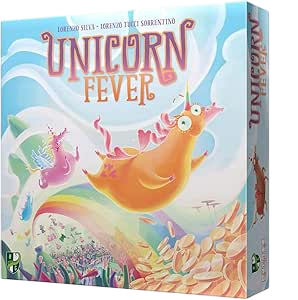
👤Player: 2-6
🕑Duration: 40-50 min
Competitive
Unicorn Fever is a strategy game where players compete to acquire valuable unicorns and resources by secretly bidding points and revealing their offers simultaneously. The player with the highest bid wins each prize and shapes the player’s farm.
Understand game mechanics and choose the right game
Understanding board game mechanics can greatly enhance your gaming experience. When you are able to recognise how the game works and how its multimechanics work, you can select the perfect board game that matches your preferred style of play, group size, and available time.
Knowing this, allows you to strategize more effectively, appreciate design choices, and discover new genres with confidence. Now you are ready to check our game library with confidence and find new players for the next session!
Game on!⚙️