
Replayability is an ability most board games try to achieve to engage players. However, some offer little incentive or variation to make replayability interesting. A key feature that board games strive for, aiming to keep players engaged and returning to the game again and again.
We are going to explore what makes a board game truly replayable. From setups to narratives, what keeps a game from gathering dust on the shelf and turns it into a long-term favourite.
What replayability really means
Replayability is the ability of a game to stay fresh and engaging after many plays. It’s the reason we come back to some games for decades, while others gather dust in the attic after a couple of sessions.
A few factors that make a game replayable are:
Variety
What makes each session feel different. This factor could rely on more than one feature the game offers:
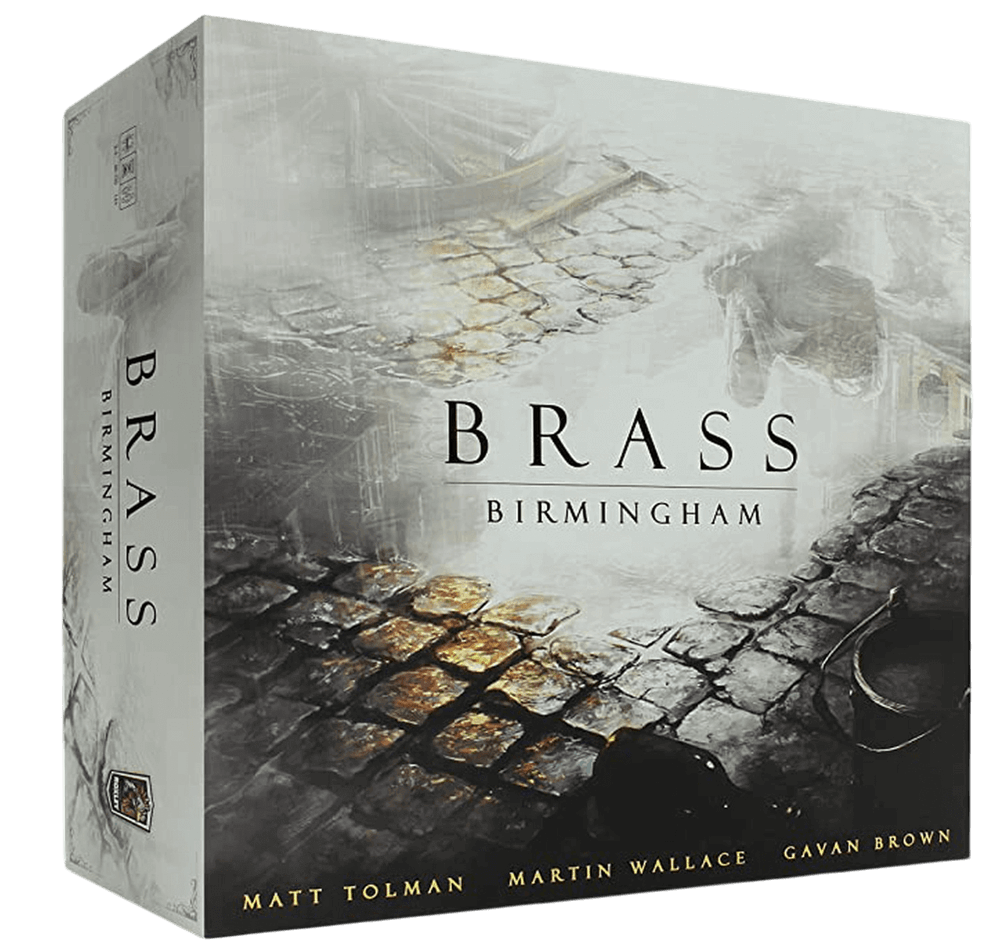
- Strategic variety: The players can address the game in different ways and use news strategies to win. Some games offer a variety of starting conditions, factions, and abilities for the players to set up a different context and objectives every play.
A game that follows this variety is Brass: Birmingham.
- Narrative variety: When the story or objectives change in priority depending on the players’ actions. It can also happen that a board game contains branching story paths, in which locations and characters met by the players depend on the players’ decisions and path choices.
An example of this would be Sleeping gods.
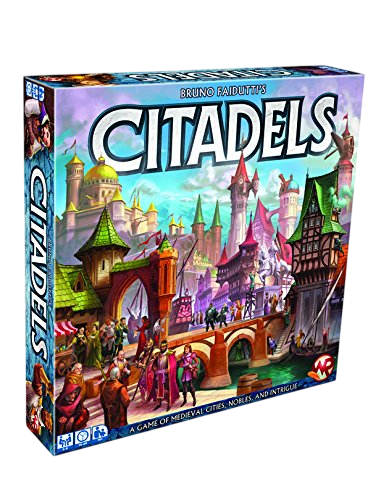
- Role variety: This is one of replayability’s most used resources. Many games offer variable and asymmetric player powers. This piques the players interest and curiosity to play the game again and experience new factions or characters, and how different actions can affect the game. Rotating draft roles are also common. Board games in which players choose or are assigned new roles each round to keep the experience fresh.
A game that follows this variety is Citadels.
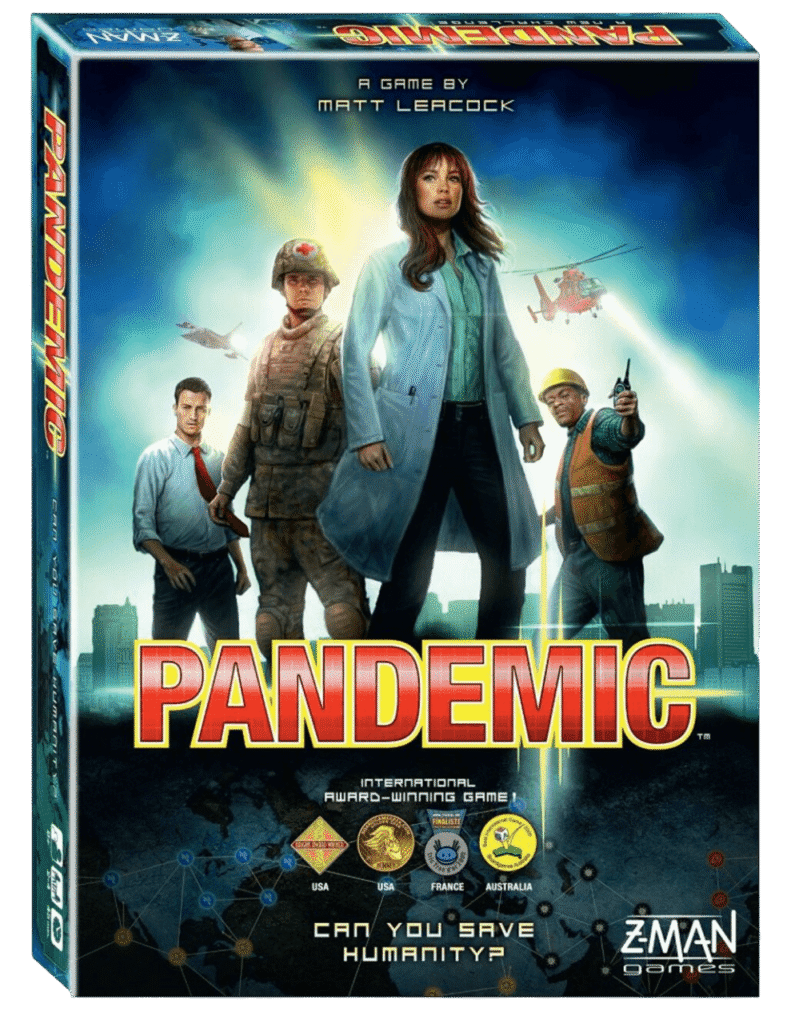
- Difficulty variety: The possibility of setting different levels of challenge. This allows the players not only to set their comfort zone but also to challenge their strategies at a harder level. Some games are easy to learn but hard to master, offering deeper challenges to the players.
An example of this would be Pandemic.
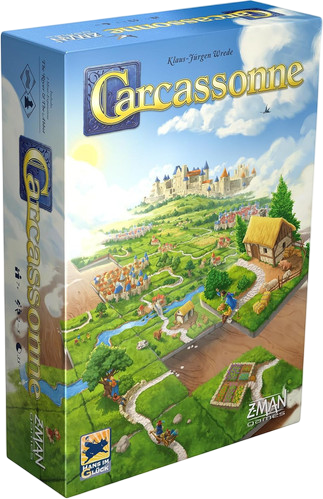
- Content variety: Replayability can rely on different components, scenarios and gameplay elements, such as cards or tiles. Different card draws can present the players with different missions, obstacles or enemies. Tile placement can be mixed and matched to create different game setups.
A game that follows this variety is Carcassonne.
Agency
It’s the player’s ability to make meaningful choices that affect the outcome of the game.
To achieve replayability, players need to feel that their decisions matter and that the outcome of the game is in their hands. You can identify if your game offers player agency if:
- Players face consequences for their actions.
- Decisions often involve risks, rewards and/or timing.
- Players have freedom to plan their strategies.
- Players can impact others with their decisions.
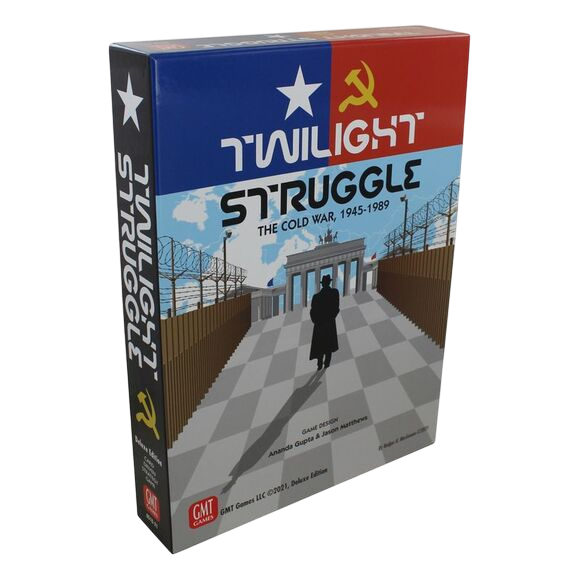
An example of this would be Twilight Struggle.
Players interaction
When players can affect each other’s strategy, decision-making and outcomes, every new game becomes a unique social experience. The replayability of players’ interaction resides in the players’ decisions to different outcomes, alliances and rivalries.
Although it may seem at first glance that player interaction is an external factor to the board game, it can also be prompted by features and events within the game itself such as:
- Direct conflicts
- Competing for limited resources
- Negotiation and diplomacy
- Worker placement and area control
- Cooperative decision making and resolution
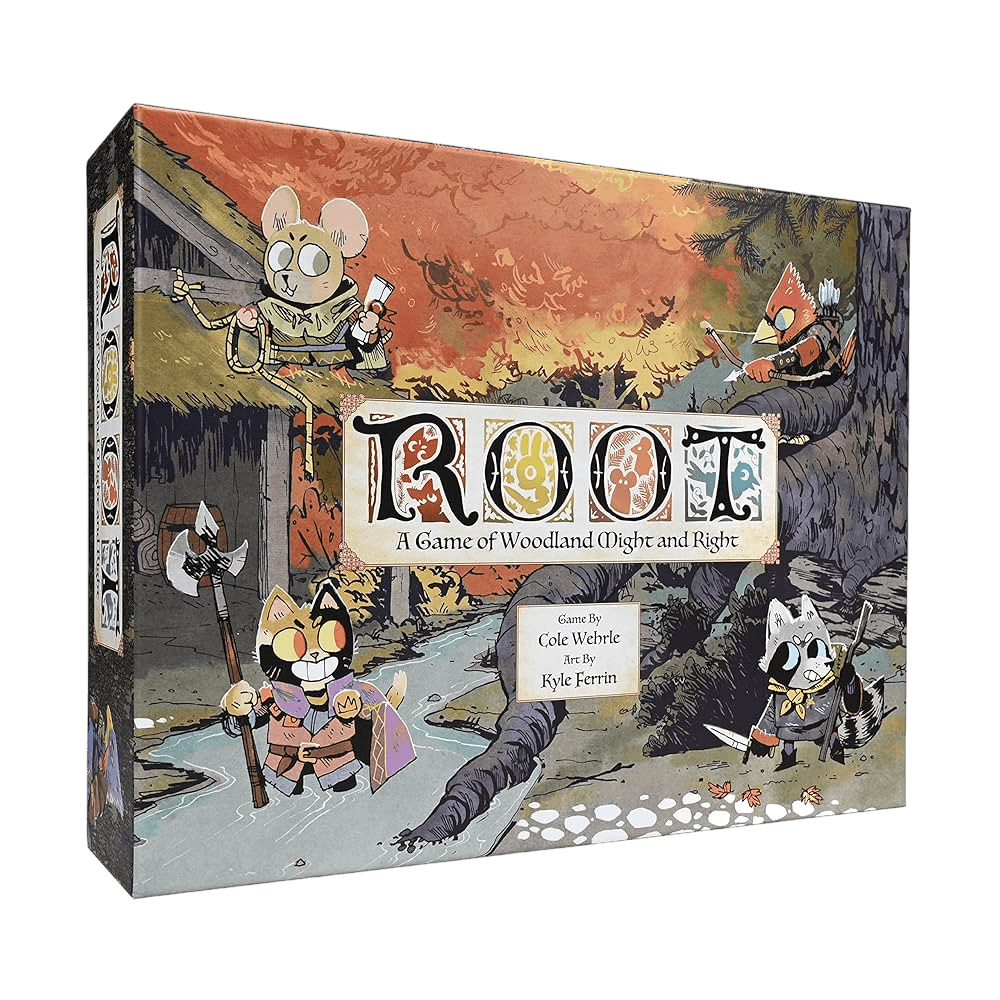
An example of this would be Root.
Game features and mechanics
Sometimes, replayability lies in the optional rules. Variant modules, advanced rules and challenges the players can add or remove from their play. These do not tend to challenge the core game, but rather the player’s journey toward victory. Some add complexity or new strategic layers. This feature allows your playgroup to adopt different game scenarios and tailor the game to everyone’s play style and comfort level.
Some of these optional game features and mechanics are:
- Modular experiences
- Gradual rule complexity
- Optional rules or optional abilities
- Different game modes and strategic levels
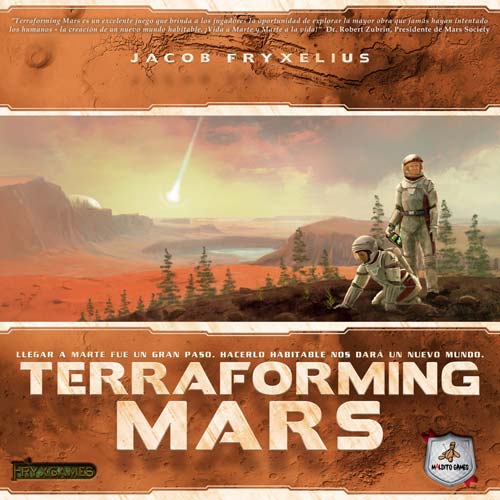
An example of this would be Terraforming Mars.
Replayability through added content: expansions
Expansions are often the most direct and popular way to add replayability to a board game. By the introduction of new content that complements the base game, players return to the original adventure with new add-ons to try.
By using expansions, games reinvent the players’ experience while respecting the core identity of the game. Well-designed expansions add meaningful decisions or challenges and keep the game experience fresh and exciting.
There are many types of board game expansions, each of them with its own replayability:
Content expansions
These are expansions that add new cards, tiles or characters to the original board game without changing the core mechanics of the base game. Introducing more of the existing elements in the base game is ideal for players who enjoy the game but need variety and freshness to keep playing it.
These expansions do not introduce new mechanics or new rule systems. Their main objective is to extend the life of the original game.
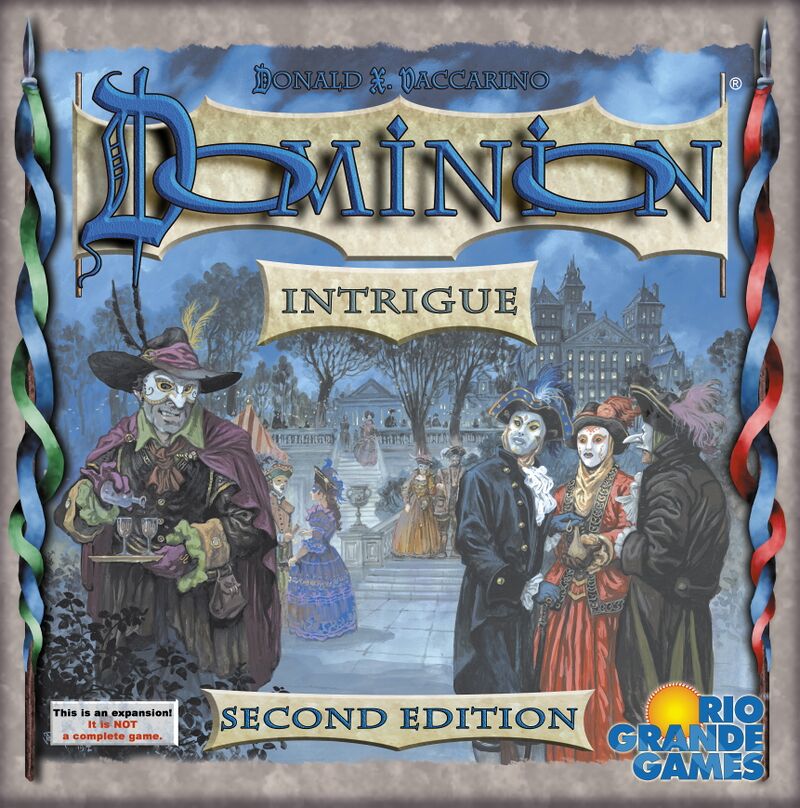
An example of this would be Dominion: Intrigue
Mechanic expansions
The addition of new gameplay systems or rules that change how the game is played. This type of expansion is for players who are looking for new challenges and deeper engagement and tend to change how the game is played.
Rather than just offering more of the same, mechanic expansions transform the core experience, offering the playgroup new ways to approach the game.
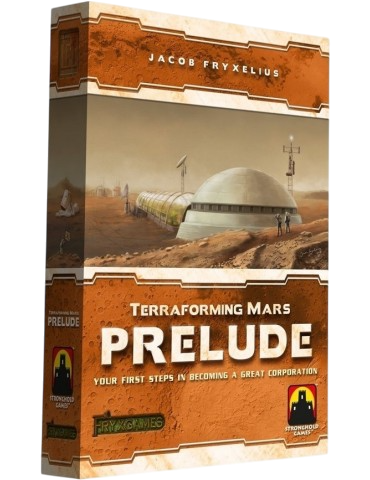
An example of this would be Terraforming Mars: Prelude
Player count expansions
A must-have for playgroups that keep adding new members or if you want to introduce one of your favourite games to new players. Player count expansions are designed to adjust the number of players. Usually by adding components and rules for larger groups and sometimes by introducing a two-player variant or even a solo mode.
This type of expansion does not change the base game. It adapts the existing rules and systems to work smoothly with different player counts.
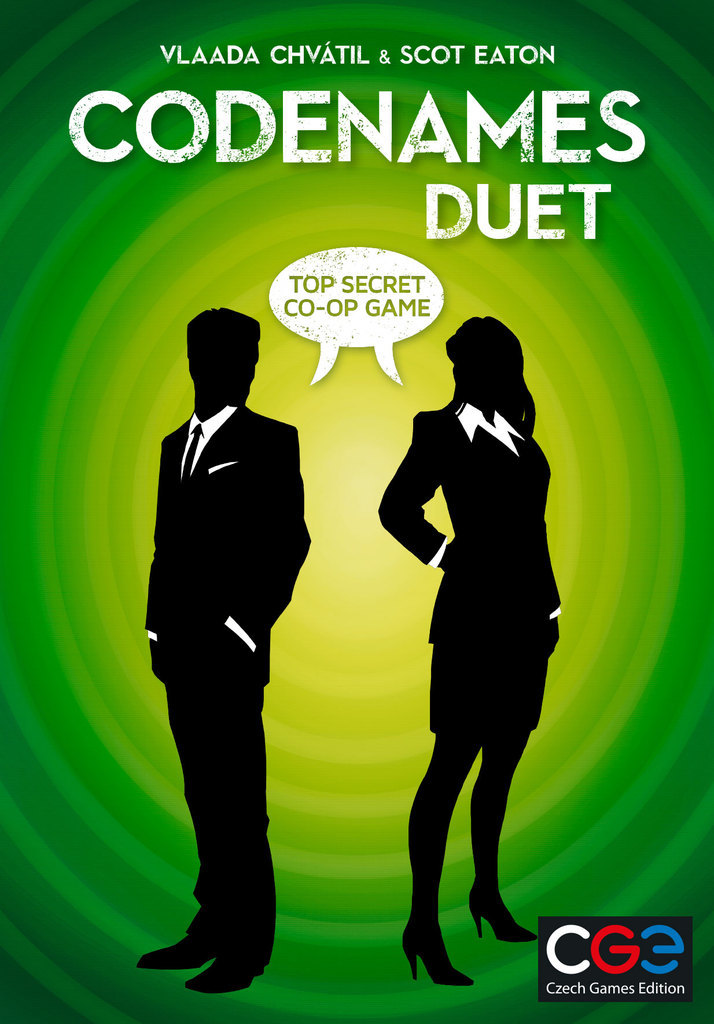
An example of this would be Codenames: Duet.
Narrative expansions
For players that want more of the story, this type of expansion focuses on extending the story or the world lore of the base game. By the addition of new scenarios, campaigns or plotlines. Especially common in thematic or adventure games, where the narrative plays a key part of the experience.
These expansions are engaging for players who value an immersive board game and want to see how their choices affect the unfolding of the story.
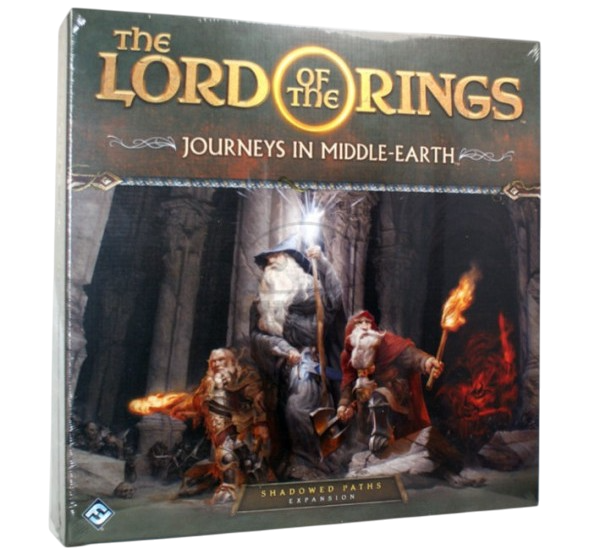
An example of this would be The Lord of the Rings: Journeys in Middle-earth – Shadowed Paths Expansion.
Legacy games: Replayability through sagas
Legacy games offer a different type of replayability. These games have redefined this term. Unlike traditional board games that reset after each session, legacy games evolve from over time and play to play. Players find themselves in situations where they make permanent decisions, unlock new content, alter components or even destroy elements. This creates a scenario in which the narrative continues on and the player can’t go back.
The sense of progression and the cliffhanger effect keeps players coming back to see what happens next. The experience of the decision shaped story often stays with players far longer than the average board session. Legacy games invite the players to commit and to unfold a narrative. Transforming game night into an evolving adventure saga.
But this sounds too good. What is the drawback? Some of them offer only a one-time use experience. Components are limited by the campaign lifespan and when the campaign is complete that board game cannot be used again.
What makes a game lose replayability?
Whether it’s the limited decision -making or the repetitive mechanics, not every game manages to achieve replayability. Here are some facts that you might already experienced on no-replayable or low-replayability board games:
Gameplay rigidity
This refers to how inflexible a board game’s rules or mechanics are. When a game has very limited choices, strategy paths or watts to interact with the game or other players, the Gameplay rigidity is high. This characteristic often leads to repetitive and predictable experiences.
Repetitive strategies
Repetitive strategies can be a major downside for board games.This feature often leads to predictability and reduces overall enjoyment of the play. When a boardgame rewards a certain dominant tactic over others, players often fall into a pattern of repeating these same strategies every time they play. Overall, repetitive strategies make the game less engaging and interesting.
Content fatigue
This can happen when situations, scenarios and stories become repetitive. Leaving little for the player to discover or depth. Content fatigue to a drop in interest on the players’ part. Gameplays become predictable and stale.
Luck-only based mechanics
While luck-based mechanics can add some excitement and unpredictability to the game, relying solely on them can also be frustrating to the player. Luck- only based mechanics can often reduce player agency, making the game feel arbitrary and unfair. Often leading to a reduced replayability, because the win feels less meaningful.
One more round, summing up replayability
Replayability is more than just a feature of a good boardgame.
When a board game offers challenges and evolving strategies or branching narratives, players return again and again.
Replayability helps maintain interest in the game, which means less obstacles and less trouble getting your game night on a monthly, or even weekly, meet ups. The shared experience makes players more comfortable with the rules and mechanics. Even leads to richer discussions, rivalries and better experiences.
If you are looking for new players to share your interest in replayable board games with, gamers.online is your community. Find gamers with which you share interest and adventure to play.
Game on!