
Some board games will bring out your competitive edge, while others will enhance your teamwork skills. Whether you like outsmarting opponents or collaborating in a team, there is a board game for you.
Discover which board games fit your friends, family, or gaming group.
Fun or challenge? Know your players
We know how challenging it can be to find a group of players who can meet regularly, sit down around a board game, and enjoy a few hours of fun. So much so, that sometimes it feels like a nearly impossible task. And when you finally form your gaming group, keeping the atmosphere friendly and relaxed can be a whole new challenge, especially when playing multiple games.
How do you keep the mood light and the dramas and arguments at bay?
Putting everyone’s preferences on the table beforehand can be a preventive measure against any dramatic situations. Knowing in advance whether the group enjoys cooperative games (everyone working against the game) or competitive games (based on points, power plays and individual strategies) can make a big difference.
Board game drama by numbers
You might already know the feeling.
Your game night is going great. Snacks on the table, laughter, and conversations fill the air—until one player’s action on the board or move upsets someone else. Maybe it’s an attack on another player’s position or strategy. Maybe a player brings up different interpretations of a rule that may or may not benefit the rest of the table.
This isn’t rare at all. In a thread on the BGG (Board Game Geek) forum titled How do you feel about game rules?, around 48% of player responses revealed that rule arguments are common during games.
However, this is not the only source of conflict related to board games.
Let’s break down some drama-by-numbers from different surveys and players feedback:
- 40% of UK players surveyed by Liberty Games admitted to having had arguments with their families over a board game.
- 36% of those same players admitted that the argument was with their partner.
- 28% of players admit that these arguments start because of slow-player or “analysis-paralysis” player attitude.
- 22% of players surveyed by Liberty Games admitted to having thrown a game piece out of anger or frustration.
- 16% of fights happen because of alliances between players and/or betrayal.
While we all want a fun afternoon or evening to enjoy playing board games with friends, which games top the charts for causing arguments?
Well, if you’re after a peaceful and enjoyable experience, you’ll want to avoid Scattergories, Scrabble, and, above all—Monopoly.
Board Games for competitive players
Competitive Board Games can be incredibly fun in groups where competitiveness doesn’t get in the way of having a good time. However, it’s always a good idea to clarify a few things before playing:
- Confrontations between players stay within the scope of the game experience, do not take them personally.
- Rules should be explained in detail, highlighting any exceptions or special situations, if there are any.
- In case of disagreement, a compromise should be reached that benefits all parties involved, both in that situation and in future ones.
Carcassonne
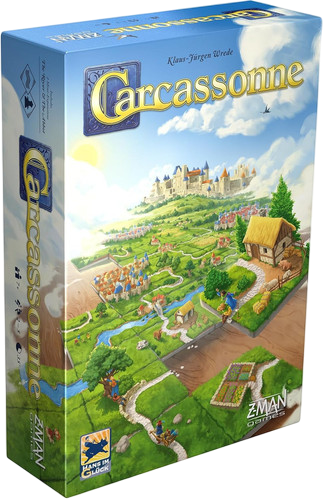
Carcassonne is a tile-placement board game where players take turns drawing and placing tiles to build cities, roads, monasteries, and fields. Each tile connects to the existing map and players claim features and earn points by placing meeples (small wooden figures).
Why would you like Carcassonne:
- If you like tile-placement, puzzle-building games.
- Carcassonnes is a light strategy game, easy to explain and to introduce to new players.
- It’s a game that does not rely on the randomness of dice.
- The game ends when all the tiles are placed. There is no turn limit or external strategy to end the game.
Check our gamers community for Carassone
Terraforming Mars
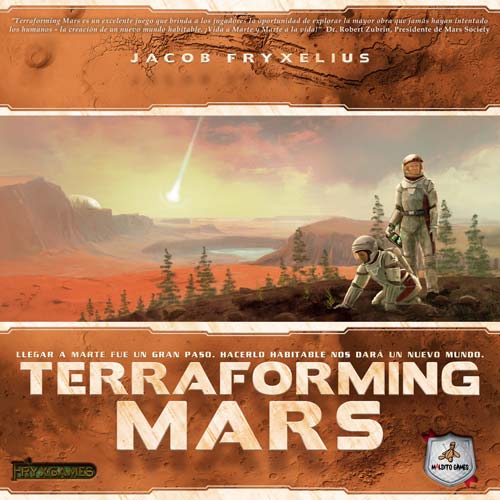
Terraforming Mars is a strategic engine-building board game set in the 2400s. Players take on the role of competing corporations working to make Mars habitable for human life. Players manage resources to develop technologies and complete projects while raising Mars’ temperature, increasing oxygen levels and laying down oceans and forests to terraform the planet.
Why would you like Terraforming Mars:
- If you like futuristic and sci-fi games.
- The player has the power to end the game by completing common objectives (oxygen, temperature, water).
- Games with multiple paths/options to claim points.
- Competitive engine-building and card-management game.
Check our gamers community for Terraforming Mars
Catan
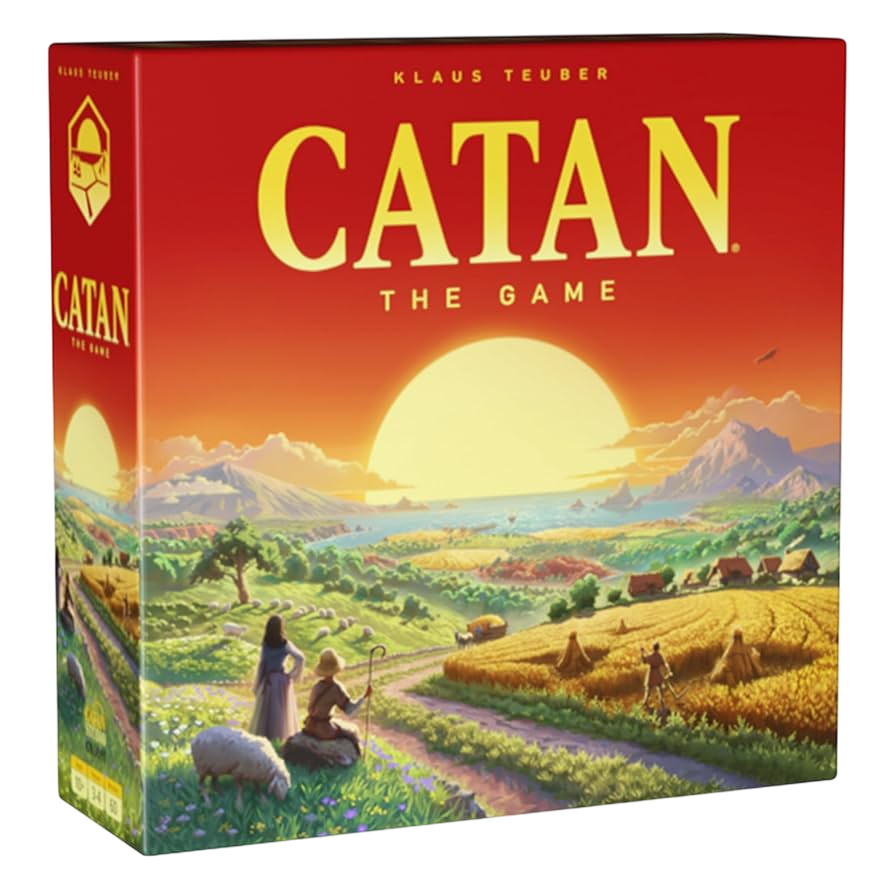
Catan is one of the most popular strategy board games, where players take on the role of settlers competing to build towns and cities on the fictional island of Catan. As with other board games, Catan is modular, made up of hexagonal tiles representing different terrains and resources. Players earn victory points (VPs) for building and expanding their settlements.
Why would you like Catan:
- It combines strategy and luck.
- It offers multiple paths for victory.
- You can negotiate and trade resources with other players.
- It’s a gateway board game. Its simplicity invites non-gamers to enter the board game community with a great experience.
Check our gamers community for Catan
Board games for Team players
Cooperative board games(co-op games) throw players into a shared mission, whether it’s escaping dangers, battling a villain, or solving complex challenges. It is a fully immersive experience where the objective is shared, and every player can contribute to a common strategy.
If your group includes new or less experienced players, cooperative board games (co-op games) are a great choice. Unlike competitive board games, where helping someone else might cost you a win, in these games experienced players can support beginners without any downside. Additionally, new players are more likely to play again if the experience is communicative, low-pressure, and free from conflict.
Pandemic
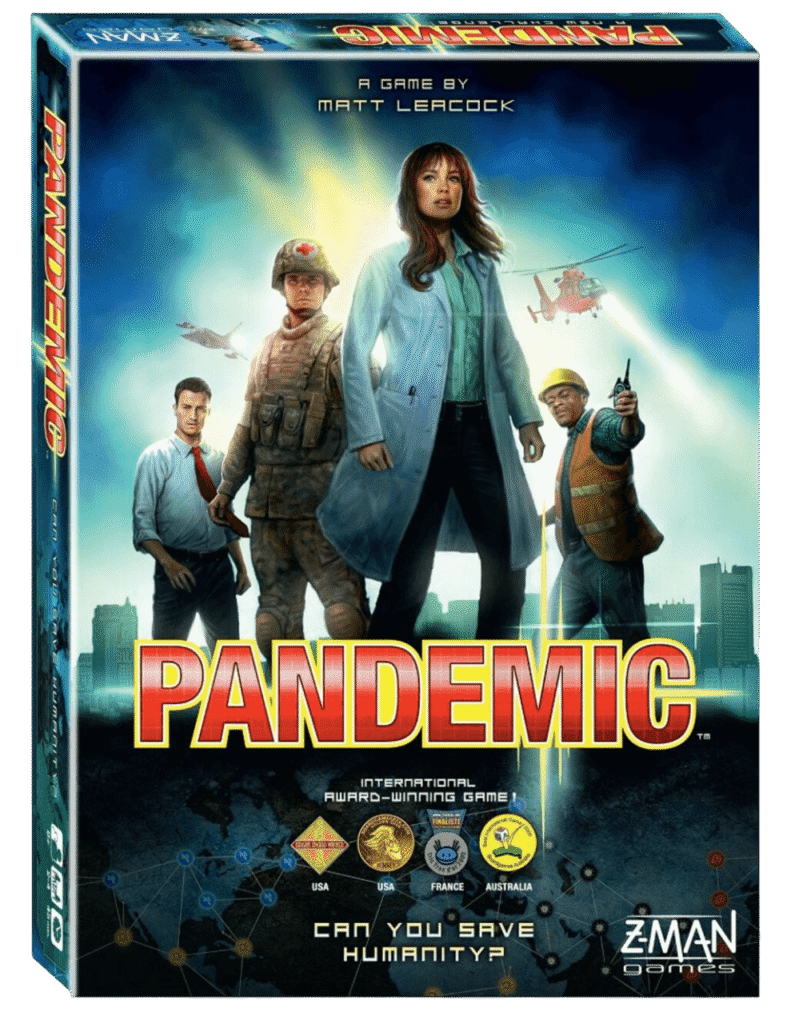
Pandemic is a cooperative board game where players work together as members of a disease control team trying to stop global outbreaks of deadly viruses. The board represents the world map with major cities and capitals connected by travel routes.
To win, players need to discover the cures for four diseases that are spreading across the globe, and each turn new cities become infected.
Why would you like Pandemic:
- It’s a game with a unique story and a timeline. The game takes place over the course of a year.
- Each player has a different role to fight the diseases. You can name your character, which is always fun.
- It combines strategy with the surprise element of what the players may encounter in future games/months.
- It’s easy to learn, and yet challenging enough not to feel like you will always win.
Check our gamers community for Pandemic
Mysterium
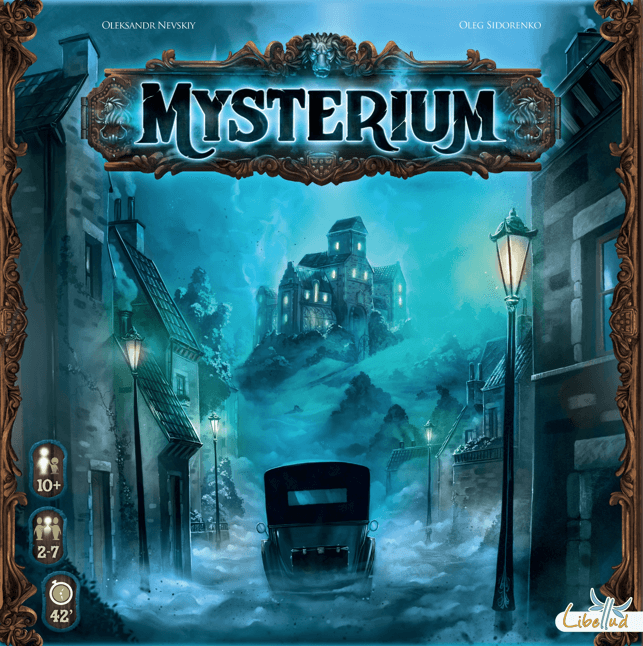
Mysterium is a cooperative game where one player takes on the role of a ghost while the others are psychics trying to interpret the ghost’s visions to solve a murder. The player playing the ghost knows the identity of the murderer, the location, and the murder weapon and uses abstract vision cards to communicate the clues to the other players.
Like other board games, Mysterium has a limit of rounds, and the objective of the team is to determine the true culprit.
Why would you like Mysterium:
- Often described as a mixture between Cluedo and Dixit.
- It has beautiful illustrations and meticulous artwork that draws you into the game.
- The game is played like a seance, perfect game if you like goth or paranormal-themed games.
- It combines deduction and cooperative investigation.
- The players rely on the non-verbal communication of the ghost.
Check our gamers community for Mysterium
Fury of Dracula
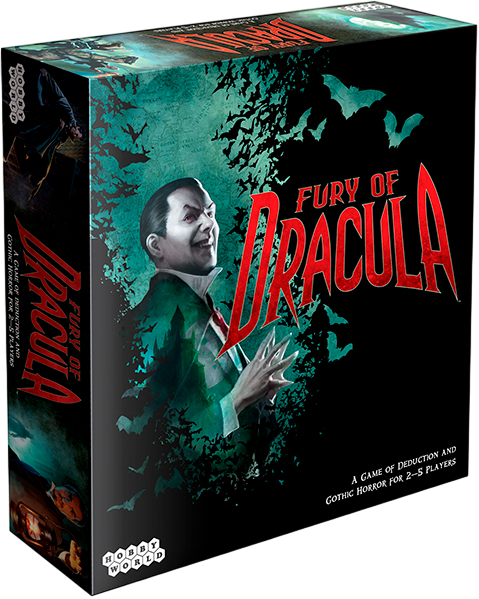
Fury of Dracula is a bit different from other cooperative board games, offering the players an asymmetric gameplay where one player takes on the role of Dracula, and the other players are the hunters trying to locate him, deduce his path and confront him before his influence spreads too far.
The game blends deduction and gothic horror into a cat and mouse chase.
Why would you like Fury of Dracula:
- If you like competitive games that do not rely solely on luck.
- The character design and actions are different for every player and yet compatible.
- The villain is alive. The player who portrays Dracula takes their own decisions.
- The game combines strategy, enemy encounters and investigation.
Check our gamers community for Fury of Dracula.
Expand your possibilities
Sometimes you’ll find yourself wanting to play a game—or a type of game—that doesn’t interest the rest of your group. Whether it’s due to complexity, length, or theme—don’t let that stop you. Expanding your gaming circle can open up a world of new possibilities.
Having multiple board game groups is more common than you might think, and sometimes the best connections are made over a shared love for a specific game.
Gamers.Online is the perfect platform to find other players to discover new games with.
Game on!