
Beyond being a source of entertainment, board games offer significant therapeutic value. They bring people together while supporting mental and cognitive health. Widely used by educators and health professionals. They provide opportunities to enhance social interaction, emotional regulation, problem-solving, and executive functioning.
By engaging players in this meaningful activity, board games promote collaboration, reduce stress, and strengthen cognitive skills. What makes them powerful tools for both personal well-being and professional therapeutic interventions. To measure their benefits beyond the table, we have gathered some studies that prove their value both in everyday life and in therapeutic or educational settings.
Board games and Occupational Therapy
Tabletop board games are frequently used in occupational therapy for adults with physical disabilities to support the development of perceptual, cognitive, sensory and motor abilities. These methods also encourage social interaction due to the turn structure of many board games, communication and rule-following need to understand and participate. Studies like, An Analysis of a Board Game as a Treatment activity present activity analysis-based suggestions for the use of table top board games in Occupational therapy.

Therapists carefully analyse each game to match it to a user’s abilities and therapeutic goals, such as:
- Motor skills like balance, leaning forward to attend the board, moving and manipulating game pieces.
- Sensory input such as different textures, forms and noises.
- Emotional regulation. Learning with winning and losing, emotional management and communication with other participants.
- Social skills, taking turns, sharing space and ideas, communicating moves in cooperative games.
The use of games in therapy serves both relational and therapeutic functions, as they create an enjoyable environment that helps establish a positive ambiance and connection. While also targeting specific clinical needs.
Don’t Break The Ice
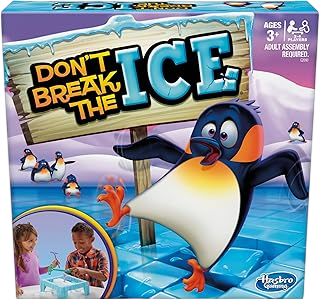
Don’t break the Ice is a board game commonly used in occupational therapy for the support and development of control motor skills, executive functioning and social interaction. Players must carefully tap your ice blocks without causing the structure to fall. This requires controlled hand movements, forced modulation and coordination. At the same time, the game requires planning, impulse control and problem-solving.
Connect 4
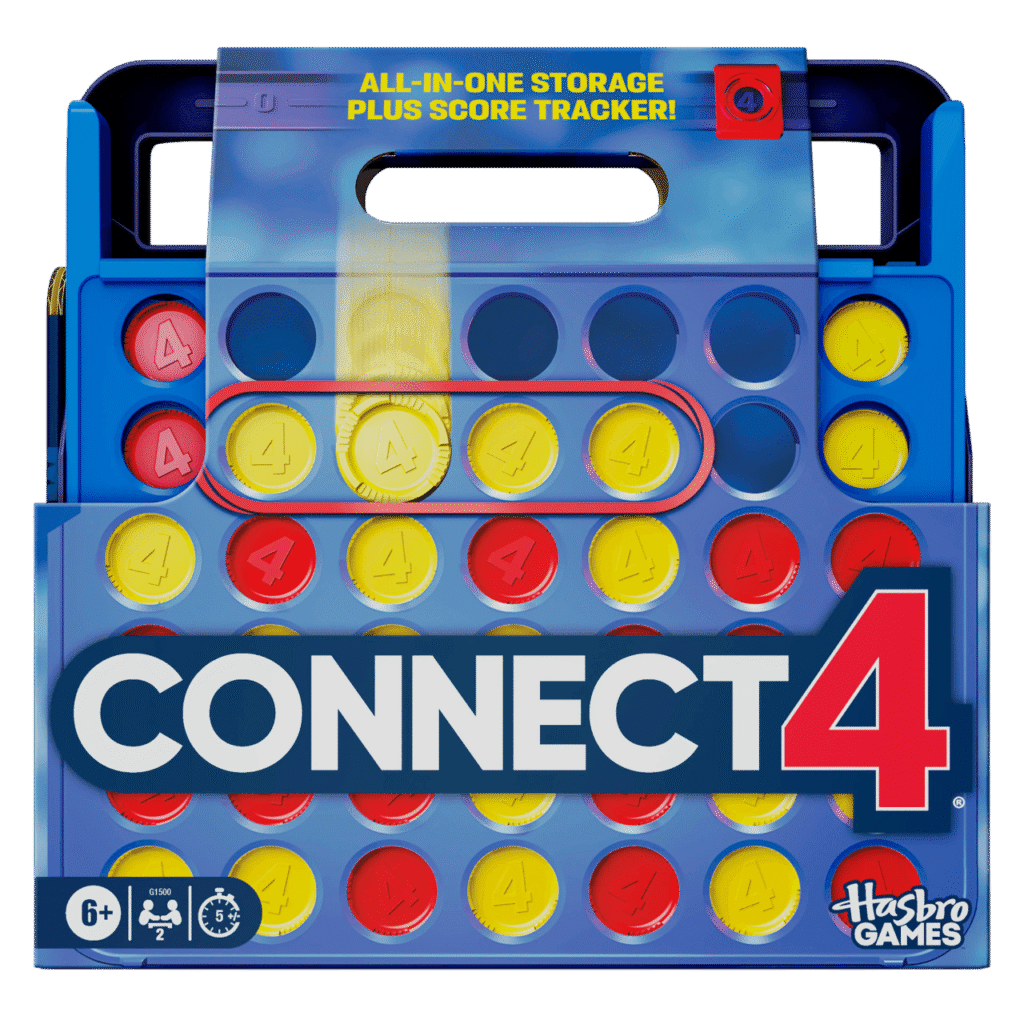
Connect 4 is another example of board game used in occupational therapy, specially to develop executive functioning skills. Players practice hand movements as they take and place disks into the grid. This game also promotes strategic thinking and problem-solving, as players must anticipate their opponent’s moves and adapt their own.
Board Games as a Bullying Prevention Tool
As most children and adolescents are familiar with board games, these activities tend to reduce anxiety and encourage openness. Allowing for more natural interactions with each other.
In the study: Effects of a Collaborative Board Game on Bullying Intervention: A Group-Randomized Controlled Trial, a group randomised controlled trial involving fifth-grade students in Taiwan examined the impact of a collaborative board game on bullying intervention over a 7-week period. The studies showed that the students who played the game significantly improved their knowledge about bullying. These previously mentioned students played the game both with and without debriefing.

However, those who participated in additional debriefing also demonstrated increased empathy and more positive attitudes. Additionally, most participants enjoyed the game, highlighting it as an engaging tool.
To Stimulate Social Skills
Communication is essential during gameplay, particularly in cooperative board games. Using them as tools to encourage social interaction and communication provides therapists and educators with another resource.
Players must communicate and articulate their strategies and decisions, whether openly to share them with the rest of their team, or through their actions and choices during the game. Board games have the unique ability to create a space where players can express themselves, share with others and prevent isolation.
UNO
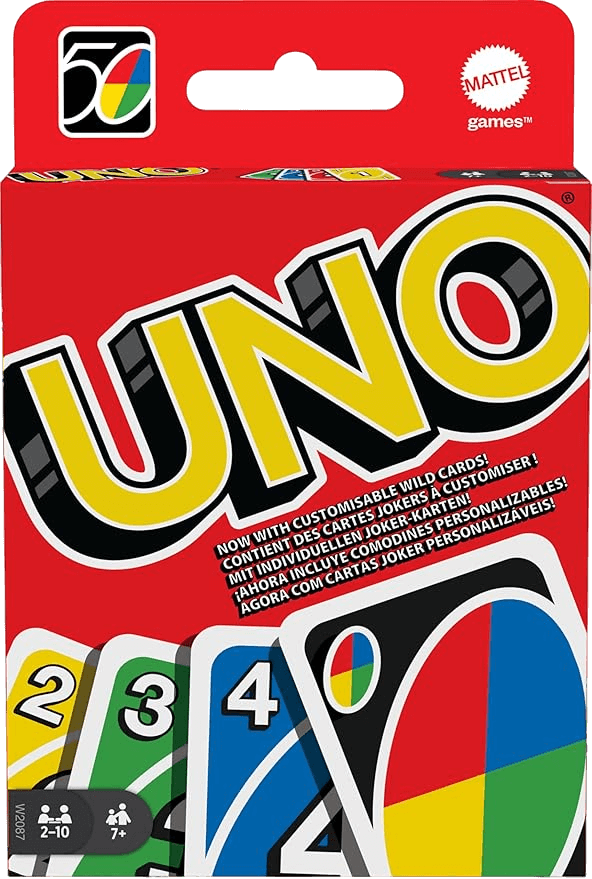
UNO is the perfect board game to stimulate social skills. Accessible to all gamers despite their experience in board games, due to its simple rules. UNO targets turn taking and group attention, as every decision could lead to a faster or easier win. Moreover, Its ability to adapt house-made rules, makes it ideal for every group.
Jenga
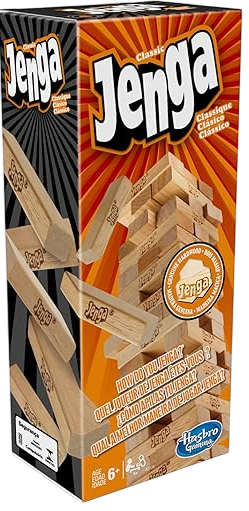
Commonly known as a party game, Jenga is another example for stimulating social interaction.Its simple rules promote inclusivity. The players do not require prior gaming experience. Each new game, each opponent move sparks new interaction. Jenga requires communication and turn awareness.
Board Games and Cognitive Therapy
Board Games are known to train and develop memory, reflexes and critical thinking. As studies previously mentioned, gamers age slower thanks to their trained neuroplasticity. Board games are a true workout for the brain, a challenge that keeps the brain “fit” and prevents cognitive decline. The board games used in this particular branch of therapy are usually the most traditional ones. These are games with simple, clearly defined rules, and their mechanics are generally well known.
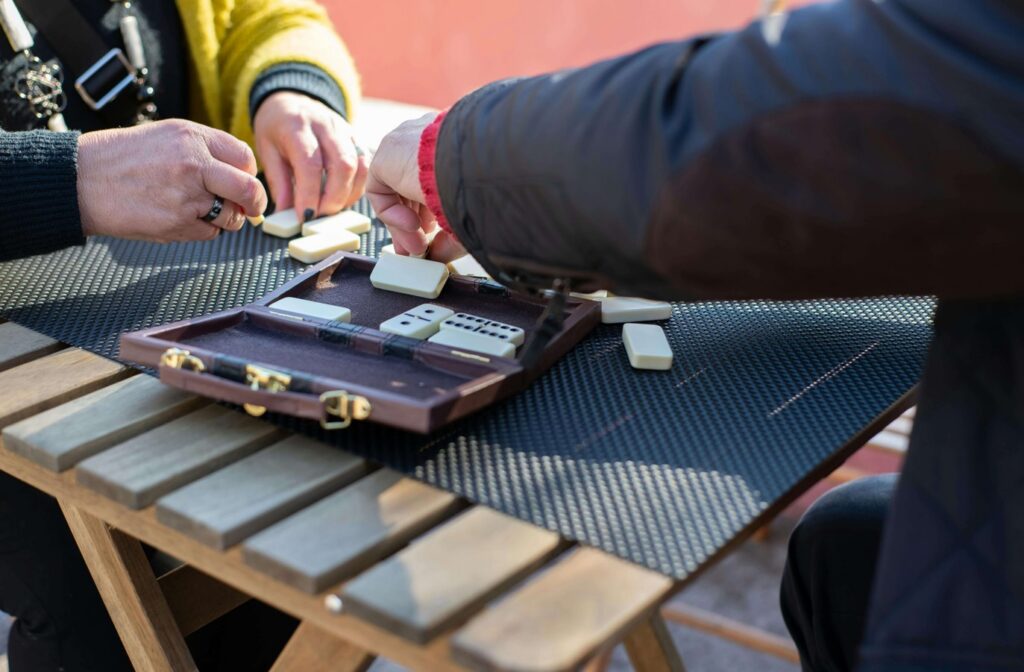
The study: Can traditional board games prevent dementia? A systematic review and meta-analysis, examined the effects of traditional board games on cognitive functions in older adults. This analysis found that board games can improve global cognitive function and enhance quality of life, particularly with games like Chess. Overall, traditional board games may help slow cognitive decline in the elderly, with different games affecting particular cognitive and functional areas through behavioral and biological mechanisms
Mahjong
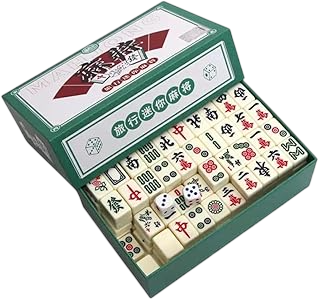
Mahjong challenges planning as players strategise several moves ahead. Attention and memory are exercised by tracking tiles and anticipating the opponent’s actions. Its social nature encourages communication and group interaction, which can improve movement and reduce isolation. Research also shows that mahjong can temporarily reduce depressive symptoms. Moreover, it can stimulate brain regions associated with executive function and cognitive plasticity.
Taboo
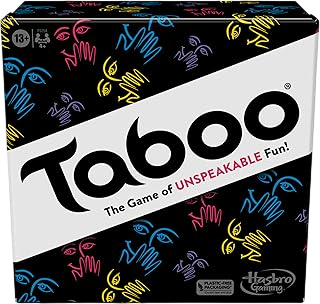
Taboo is a word-base example that can be used to support cognitive health. It challenges players to describe ideas without using obvious clues. Taboo trains verbal fluency, semantic memory, and cognitive flexibility. The time pressure also helps maintain processing speed. It promotes social interaction, since it is played in teams and encourages communication and good mood. Taboo can be seen as a verbal trainer to prevent dementia.
Beyond the Board, Playing with Purpose
The use of board games as a therapeutic tool is nothing new. However, the perception that they are merely a form of entertainment overshadows the real benefits and outcomes they bring to society. Board games encourage social interaction, help prevent cognitive decline and, above all, are a tool that brings us all together. Preventing social isolation may well be their greatest benefit.
Join Gamers.online, and find gamers to share your interest in board games and video games. Keep playing, it is good for your mind and wellbeing. 😉
Game on!🤩