
Culture influences and inspires video games as well as board games. As we previously saw in La Fallera Calavera, culture will not only provide a storyline or theme for the game, it will also influence its mechanics, define their cards or token abilities, and turn design too. Crisol: Theater of Idols is the result of Spanish culture and traditions, all bundled up in an intense, dark, horror game.
Crisol: Theater of idols proves once again that video games are a powerful medium for communication and sharing culture, stories, and getting to know other mythologies and customs.
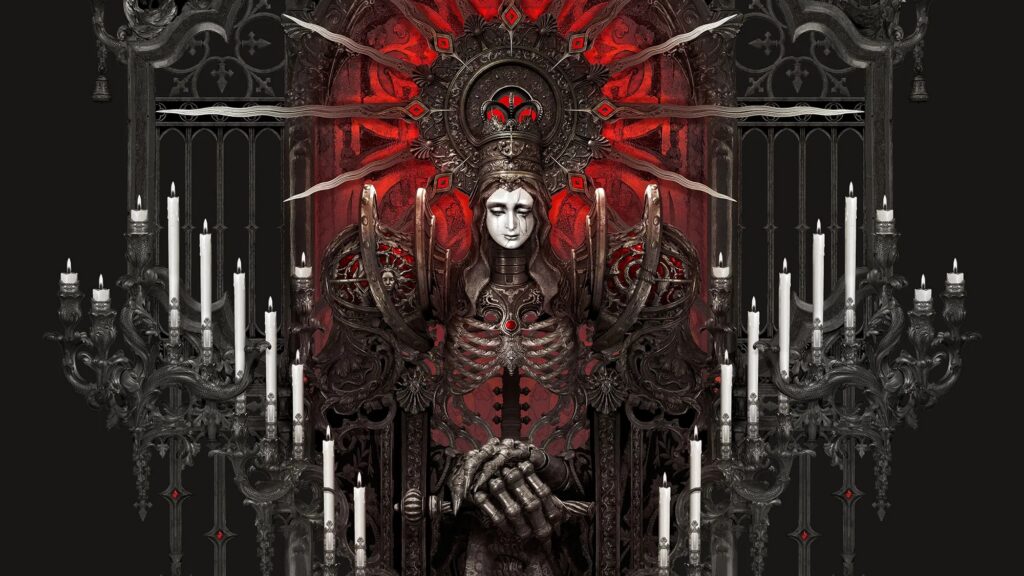
Cristol: Theatre Idols A Deeply Cultural-Based Storyline
Crisol: Theater Idols is a first-person survival horror video game developed by Vermila Studios and published by Blumhouse Games. Available for PlayStation5, Windows, and Xbox Series X/S.
The storyline follows Gabriel Escudero, an assassin sent to the island of Tormentosa in the land of Hispania. A twisted, dark version of Spain, filled with living puppet-like statues. Gabriel Escudero has been sent to Tormentosa by “el Sol” (the sun) , a superior entity that does not completely define or communicate the motivations or purpose of the mission. This question will follow the entire story becoming the primary engine of the adventure.
The design is deeply embedded in the religious iconography, with these puppet enemies being statues of saints and other religious representations. Containing numerous cultural easter eggs such as, an Illuminated sign made from light bulbs which welcomes to the festive celebrations, the giant big head figures and the huge carousel that are so characteristic of Seville, Toledo, or Cadiz.
All this takes place in the reimagining of the year 1981, styled like late Victorian Era, where candlelight and electric lighting intermingle. An obscure and terrifying setting where Spanish culture meets Lovecraft.

A Shooter And Survival Game With A Horrific Twist
Shooter Mechanics
While the majority of shooter games will have you scanning and searching for munition and resources, Crisol: Theater Idols, introduces the absorption of blood and the creation of blood ammunition.
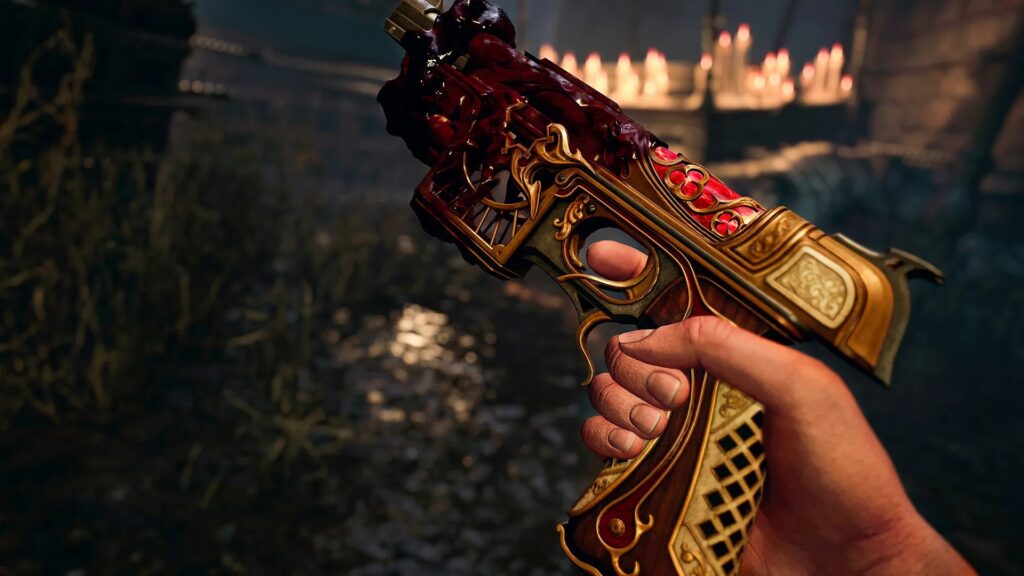
This mechanic fits the game’s own lore. Moreover, in terms of play, it brilliantly resolves the dilemma when scouring environments for supplies. While playing, you’ll only need to worry about restoring your health, by drinking the blood of humans or animals. Once extracted the blood you’ll decide whether or not to convert that health into bullets. As you progress, enemies appear in greater numbers and become tougher, forcing you to make use of an ever-expanding arsenal to stand your ground against even the most powerful creatures.
Puzzles
In Crisol: Theater of Idols, the puzzles are cleverly designed and incorporated into the game as subtle cultural references that fit perfectly with the settings. From a domino-based combination to a puzzle set against the colourful stained-glass windows.
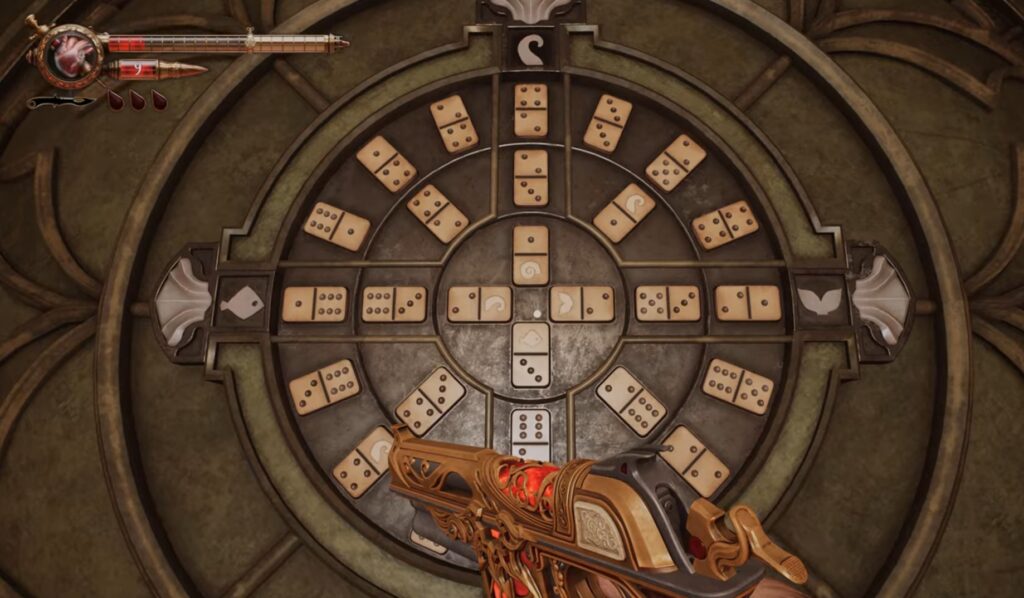
This system of puzzles, which is seamlessly integrated into the video game, is reminiscent of the Resident Evil series. To solve them, players must use logic, pay close attention to detail and explore the settings carefully.
Non-lineal exploration
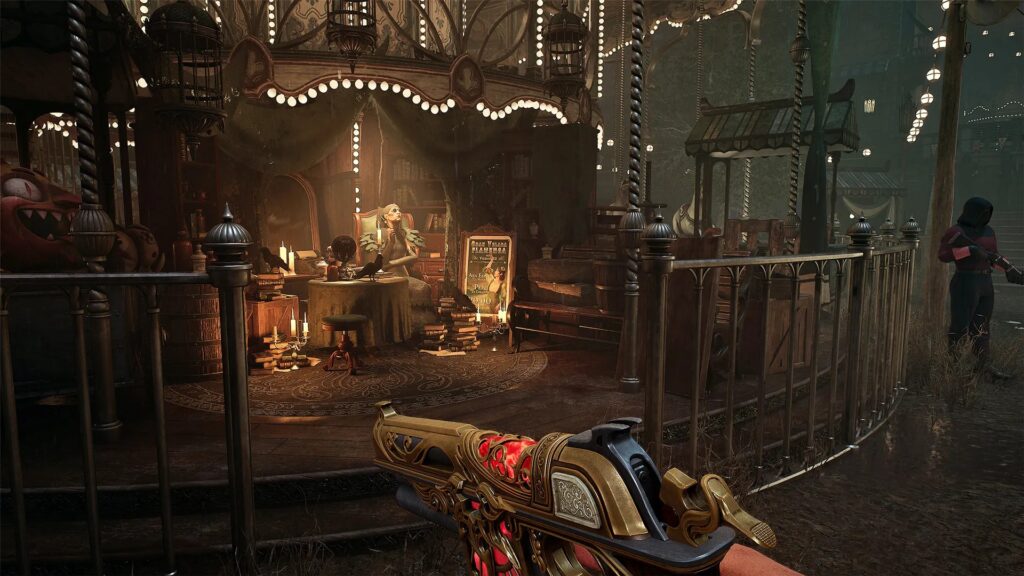
As in other survival games, Crisol features a storyline that involves non-linear map exploration. This means that not all objectives require exploring a new area. Instead, the player will need to retrace their steps, revisit previous areas and consult the map frequently. Furthermore, this also means that whilst exploring a new area, we may come across many items that currently have no use or do not serve the current objective. These are items we will need to use later on, when the context and story call for them.
Video games based on culture are Nothing New
Rich cultural settings and historical events have been a source of inspiration and design for video games since the medium’s earliest days. These elements provide meaningful context, enriching the player experience and helping to ground each game within a distinctive context.
By relying on such settings, players are able to immerse more fully, allowing them to engage from the early missions of the gameplay.
A Plague Tale: Innocence
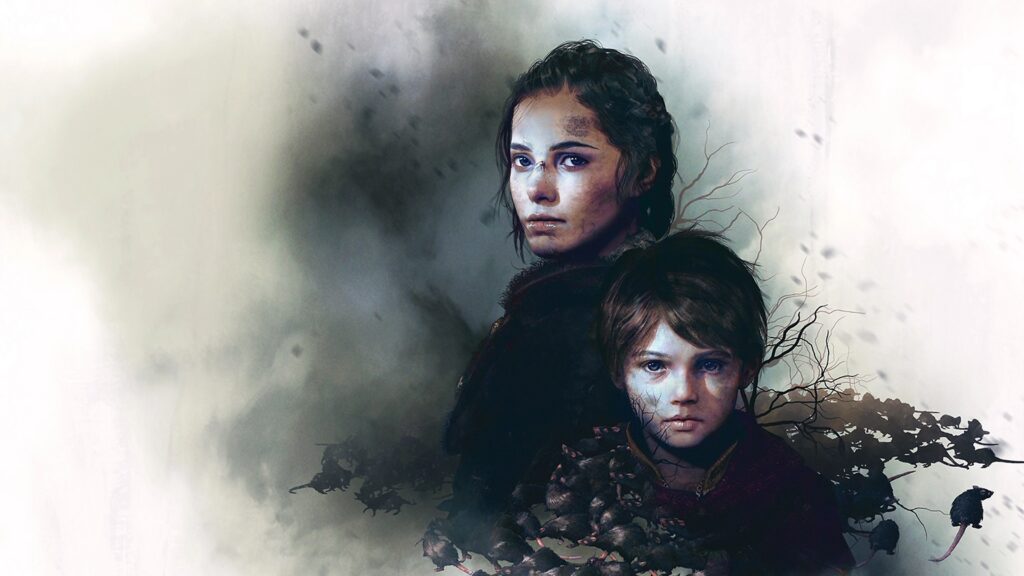
Set in Aquitane, France, from 1348 to 1349. This game follows the journey of Amicia trying to save her little brother from a genetic illness. The story features three major historical events: The Black Plague, the Hundred Year’s War and the Medieval Inquisition. In fact, the most memorable image for those who have played this game is the immense waves of rats. These represent one of common theories that the rats spread the plague.
The level of detail seen in the world-building alone makes it clear that this is set in 14th-century France. A period of great historical significance, and the game’s design has successfully integrated that story fully into the gameplay.
Assassin’s Creed Odyssey
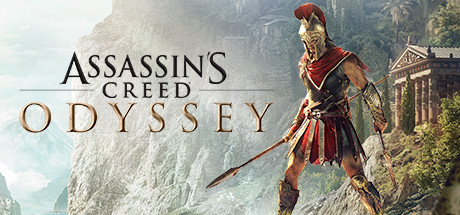
Set in ancient Greece. Assassin’s Creed Odyssey sets the story during the Pentecontescies. The period of approximately 50 years between the end of the Greco-Persian Wars and the start of the Peloponnesian War.
Although the game takes some script and historical liberties, such as the existence of the city of Kausus in Kephalonia, the video game successfully represents ancient Greek culture and mythology. Assassin’s Creed Odyssey also includes some historical characters such as Brasidas the Spartan general, Perikles, or Socrates. In Full Assassin’s Creed Style, this game recreates cities like Athens in full detail, with the possibility to visit and climb iconic buildings.
Ghost of Tsushima
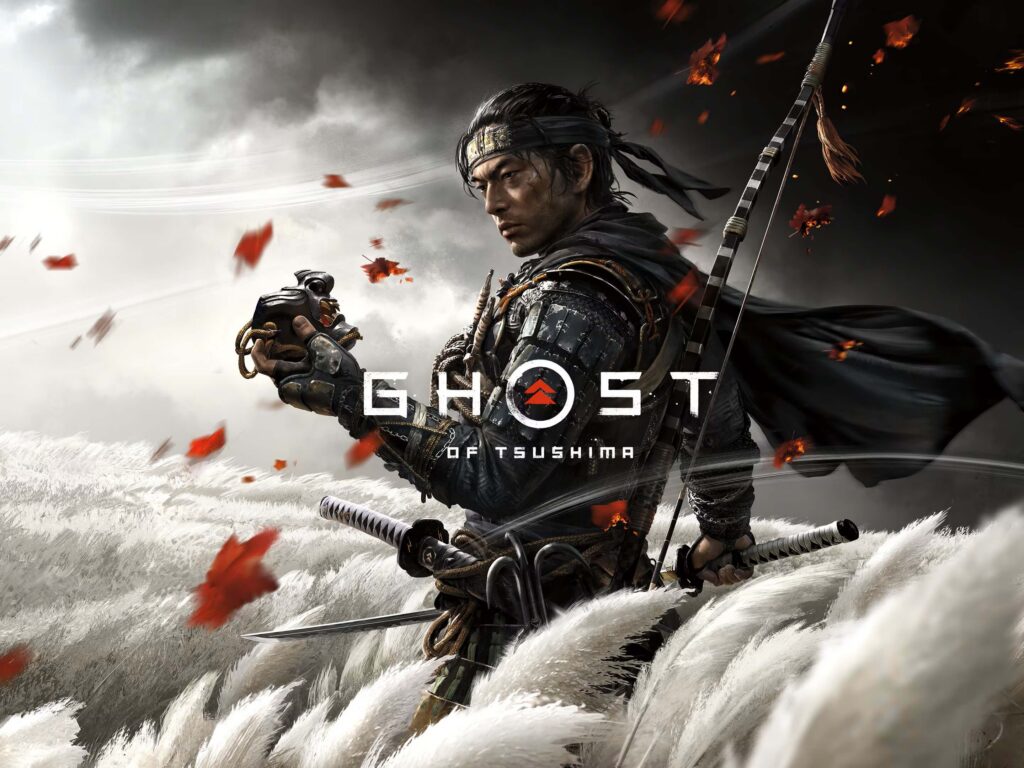
Combining Samurai action with history, Ghost of Tsushima exits the common setting of Sengoku Era or Later Edo Era that most Video Games set in Japan use and context. Set in the medieval Kamakura period, during the Mongol Invasion of Japan on Tsushima Island. The architectural details in shrines, temples, and traditional structures reflect historical Japanese culture, while combat systems are inspired by samurai martial arts and the historical use of weapons. The storyline and narrative also highlights ideals associated with the samurai, including honor, duty, discipline, and sacrifice.
From Heritage to Gameplay, A Shared Narrative
Culture and historically inspired videogames not only immerse the already casual player and invite them to live a unique experience, but they also spark the curiosity of non gamers. A design that connects with the gamer and engages them from the very first mission. Exploring different worlds or countries in different historical periods. And to crown it all, when these videogames also include multiplayer, they create shared experiences that bring gamers together, allowing these games to be explored from different points of view. Find gamers and explore ancient Greece, medieval Japan, or a reimagined version of Spain in Crisol: Theater of Idols.
Game on!