
Over the past decade, asymmetric board games have gained popularity among players, offering a different context from beginning to end for each player, unlike classic board games with traditional design and identical abilities and possibilities for every player.
This complexity creates a game highly replayable game. Players don’t simply choose a colour or a certain token, they choose a role to play and a completely different gameplay. This makes sure that every board game can offer multiple experiences, each shaped by the actions and possibilities of each faction or character
What Makes a Board Game Asymmetrical?
An asymmetric design of a board game is considered as such when players do not share the same abilities, conditions, objectives, or pathways to victory from the start. Players are divided into factions or take the role of characters, while they operate under the same rules, each one of them can proceed with different actions and strategies.
Asymmetry can appear in different forms. While in some games the players share a common goal but use unique powers and strategies to influence the progress of the game, others go deeper into an unbalanced dynamic with each player having their own rules to follow and victory conditions. In both scenarios the result is a dynamic, multifaceted system in which every game feels different and fresh, one sole game offers multiple possibilities and a deep experience.
Asymmetric designs can be found in both cooperative and competitive games. While the design implies the same unequal context and unbalance factions, the goal of the game 一 whether it is to achieve a common goal or to reach victory before others 一 can reshape how players see the different factions and characters.
Cooperative Asymmetric Board Games
In asymmetric cooperative games each of the players takes on specialised roles with unique powers and abilities and they must contribute to the group’s shared goal. In cooperative asymmetric board games, every player is needed to win.
The differences between factions and/or characters are needed to combine strengths and achieve the different goals the game might present, cover other factions’ weaknesses, and find creative ways to solve problems.
Cooperative asymmetry enriches the game as players learn not just to master their own role or faction, but how to weave it into the group’s strategy. Asymmetric designs make cooperative games feel more dynamic and meaningful.
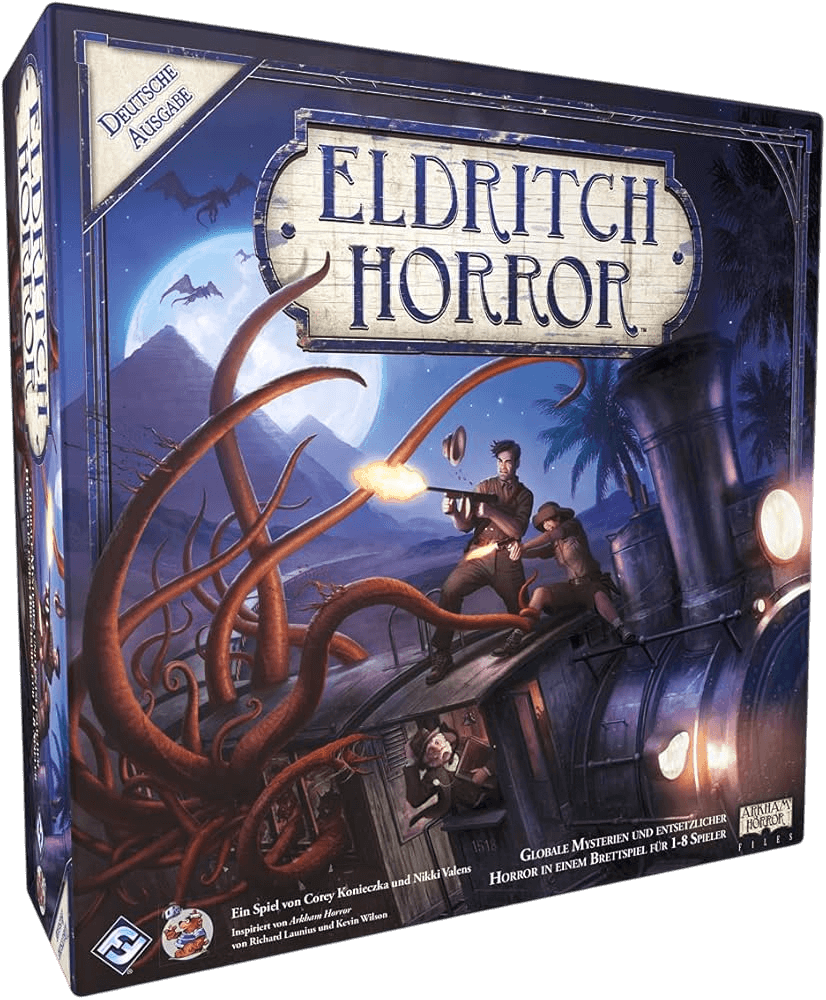
Eldritch Horror
👤 Players: 1-8
🕑 Duration: 240 min
🤝 Cooperative
A global cooperative and asymmetric adventure board game set in the Lovecraft universe, in which players take on the roles of divergent investigators working together to stop the Ancient One from awakening. Every player contributes to the team in a distinct way, gathering clues, traveling quickly, and attacking monsters.
The asymmetry in this game relies on the players’ abilities:
- Support skills, rerolls, or combat boosts
- Distinct Stats
- Different starting items unique to the character they are playing
- Role-based strengths and weaknesses
The Lord of the Rings: Journeys in Middle-Earth

👤 Players: 1-5
🕑 Duration: 120 min
🤝 Cooperative
A fully cooperative, app-driven, and asymmetric board game where players take the roles of iconic heroes traveling across Middle-Earth to battle enemies, explore locations, and solve narrative driven scenarios.
Each hero plays very differently:
- Unique hero abilities that excel in a specific stat
- Role selection, allowing players further customize how they contribute to the fellowship
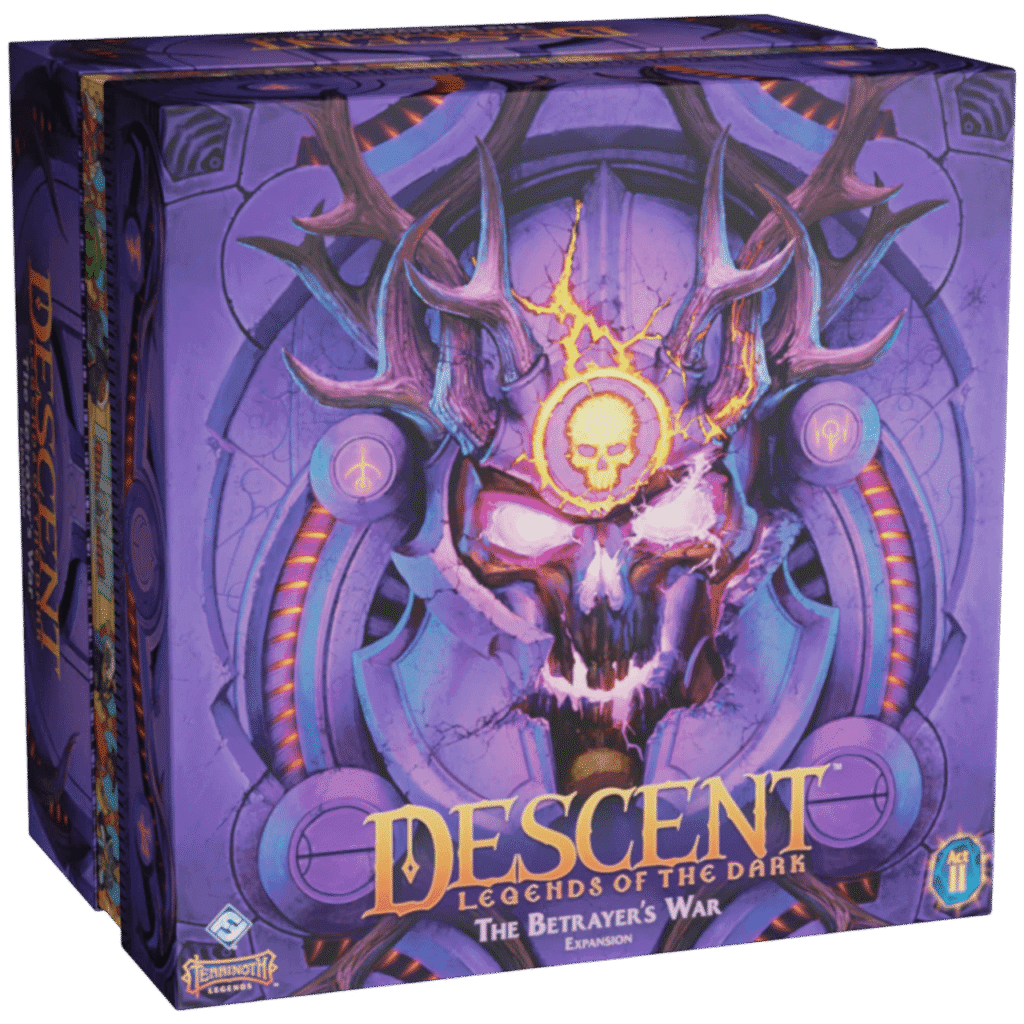
Descent: Legends of the Dark
👤 Players: 1-4
🕑 Duration: 180 min
🤝 Cooperative
This is a fully cooperative, story-driven, and asymmetric dungeon crawler where players become heroes fighting through an app-supported campaign filled with combat, branching narratives, and a high-quality 3D board.
The design and roles of the characters show the asymmetry of the game:
- Role specific playstyles, heroes being fighters, tanks or support characters
- Unique equipment and crafting paths
- Distinct hero abilities with different strengths and weaknesses, and signature mechanics
Competitive Asymmetric Board Games
Competitive asymmetric design thrives on the idea that each player approaches the game with different abilities and mechanics. This creates highly dynamic and unpredictable games, inviting players to master unique playstyles. This inequality between the players’ abilities isn’t a flaw of the game; it’s the engine that drives strategy.
What makes these games especially compelling is how asymmetry transforms each playthrough into a different experience. The tension rises as players learn to anticipate other roles and master their chosen character. Games become puzzles to decode as the players adjust their strategy to their distinctive character or faction. Competitive asymmetric board games are some of the most replayable and strategically rich games.
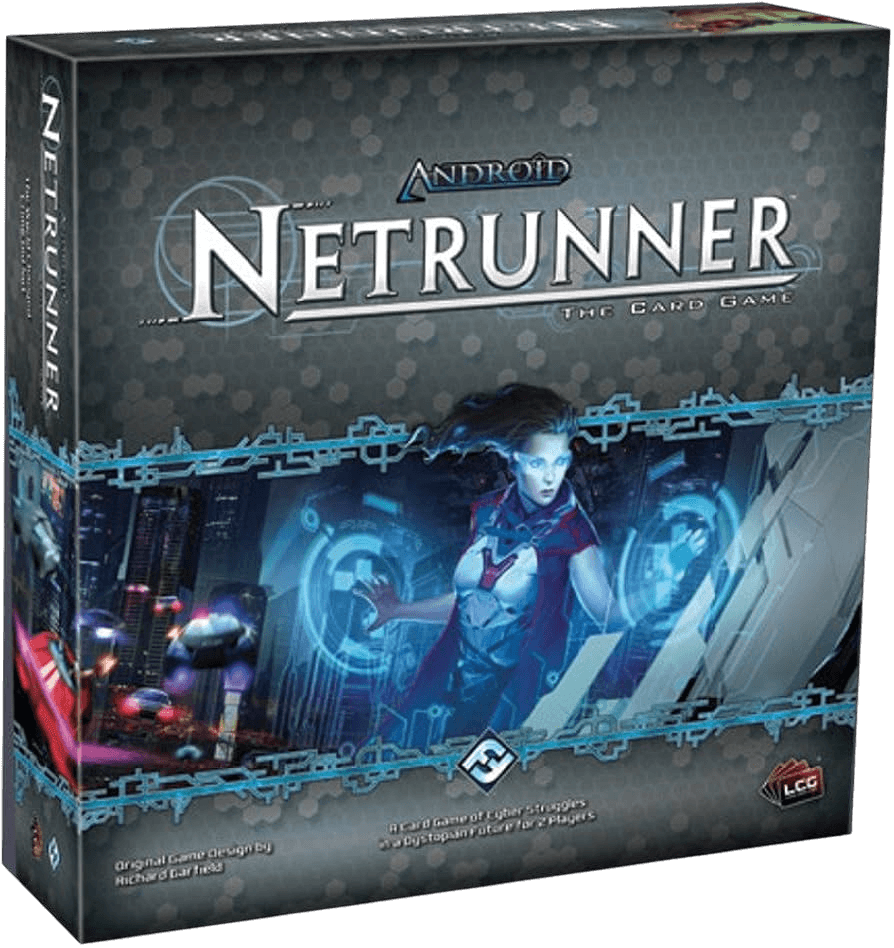
Android: Netrunner
👤 Players: 2
🕑 Duration: 45 min
⚔️ Competitive
A deeply strategic, two-player asymmetric card game in which one player takes the role of the Corporation and the other player is the Runner. The game narrates the plan of a hacker trying to infiltrate the Corporation’s servers. A game in which tension thrives and every turn feels like a psychological duel where bluffing, timing, and reading their opponent are just as important as the cards in their hand.
The asymmetry of the games resides in both roles:
- The Runner: breaks through defenses and pressure servers with the use of programs, hardware, and tricks.
- The Corporation: protects its servers and agendas and tries to fulfill its tasks before the runner can steal from them
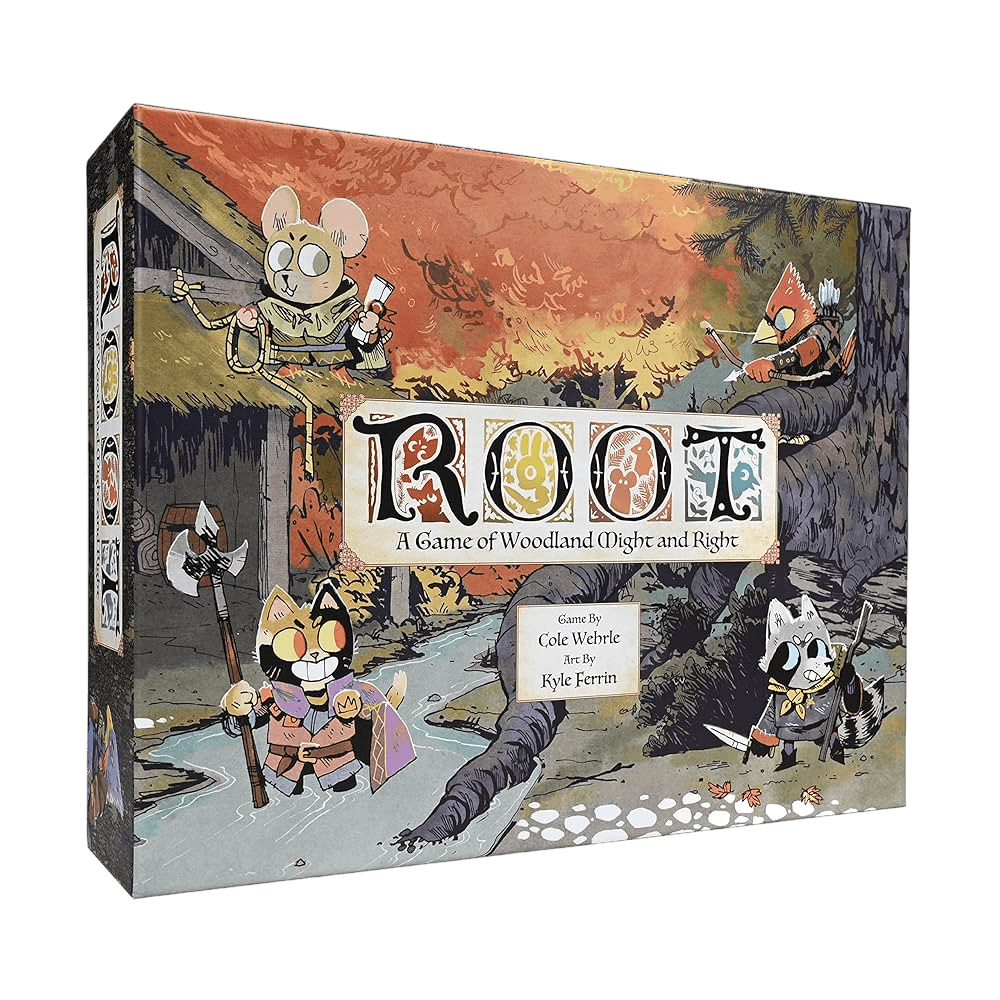
Root
👤 Players: 2-4
🕑 Duration: 90 min
⚔️ Competitive
A wildly popular asymmetric game where woodland creatures participate in battles to control the forest. Players choose from a variety of groups with different specialities: military, guerrilla, or wandering adventurers. Root is a deeply strategic game of maneuvering, negotiation, and timing.
Every faction in Root plays completely different strategies and this is where the asymmetry comes into play.
- The Marquise de Cat: rules through industry
- The Woodland Alliance: relies on uprisings
- The Eyrie Dynasties: have strong expansion mechanics
- The Vagabond: is a solo adventure that relies on negotiation
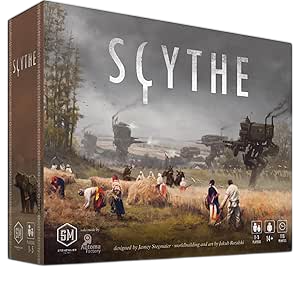
Scythe
👤 Players: 1-5
🕑 Duration: 115 min
⚔️ Competitive
A highly competitive and strategic board game set in an alternative 1920s history scenario, this asymmetric board game blends engine-building, area control, and economic optimization. The game rewards careful planning, incremental progress, and strategy.
Among these competitive asymmetric board games, Scythe is less radically asymmetric.
- Player mats determine how efficiently actions can be upgraded and/or combined
- Factions offer distinct abilities, different locations and strategic mechanics
Asymmetric Designs Spark Replayability
Replayability comes naturally to asymmetric games. It is one of the greatest strengths of these designs. It emerges from evolving relationships between asymmetrical roles. A faction that feels powerful in one matchup can struggle against a different faction or combination of players and strategies. This sets the ambiance for the playgroup discovering something new during each playthrough: new tactics, synergies, and counterplays, deepening the strategic landscape.
Asymmetry and replayability also rely on the player’s curiosity. When a board game offers multiple paths to victory, each one different from the one before, players are motivated to keep playing and exploring them. This desire to try something different every session keeps the experience vibrant.
Embrace the beauty and Challenge of Asymmetric Board Games
Now you know how to identify an asymmetric board game and we’re sure you have played some of them before.
Asymmetric designs are very popular among modern board games and are famous for converting non-gamers into casual players. If you like this kind of game, join Gamers.Online and find new players who enjoy the same games as you do.
Game on!👾